Many road contractors face an important investment decision when annual asphalt demand exceeds 150,000 tons. At this production level, relying on small asphalt plants or external asphalt suppliers can create challenges in cost control, project scheduling, and quality management.
A higher-capacity asphalt mixing plant can help contractors gain better production stability and stronger competitiveness. However, purchasing a 160 TPH asphalt plant requires careful evaluation because it involves equipment investment, operation costs, maintenance planning, and long-term business expectations.
So, is a 160 TPH asphalt mixing plant worth the investment for projects producing more than 150,000 tons of asphalt every year? The answer depends on several factors, including production demand, project type, operating efficiency, and future growth plans.
This article analyzes the value of a 160 TPH asphalt mixing plant from the perspective of contractors, road builders, and infrastructure investors. It explains when this capacity becomes a profitable choice and how it can support long-term construction business development.
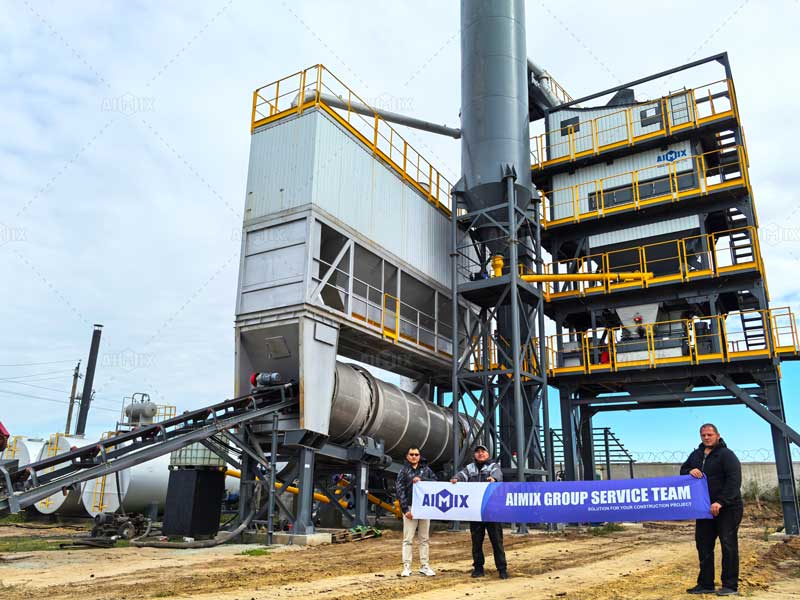
Why Annual Asphalt Production Determines Equipment Investment Value
Before selecting an asphalt plant, contractors should not only consider hourly output. Annual production demand is usually a more important factor because it directly affects equipment utilization and investment return.
For example, a contractor producing 150,000 tons of asphalt every year needs stable production capability throughout the construction season. A small plant may complete daily production targets, but it may operate under heavy pressure during peak periods.
At the same time, insufficient capacity can increase risks such as truck waiting time, delayed paving operations, and higher production costs. Therefore, choosing a plant with reasonable capacity reserve is often a smarter strategy.
A 160 TPH asphalt mixing plant provides a balance between production capability and investment efficiency. It is large enough for demanding infrastructure projects while avoiding unnecessary oversizing.
Can A 160 TPH Asphalt Mixing Plant Produce Over 150,000 Tons Per Year?
The production ability of an asphalt plant depends on several operating conditions. These include working hours, material supply, maintenance schedule, weather conditions, and project planning.
Under normal construction conditions, a 160 TPH plant can achieve annual production above 150,000 tons when properly managed.
| Production Factor | Typical Condition |
|---|---|
| Rated Capacity | 160 tons per hour |
| Average Working Efficiency | 80%-90% of rated capacity |
| Daily Operation | 8-10 hours |
| Annual Working Period | 140-180 working days |
| Possible Annual Output | 150,000-220,000 tons |
However, contractors should remember that rated capacity is not the only factor affecting output. Efficient material handling, skilled operators, and reliable maintenance also influence real production performance.
For companies looking for a suitable solution within this capacity range, a 160 tph asphalt batching plant can provide the production capability required for medium and large-scale road construction projects.
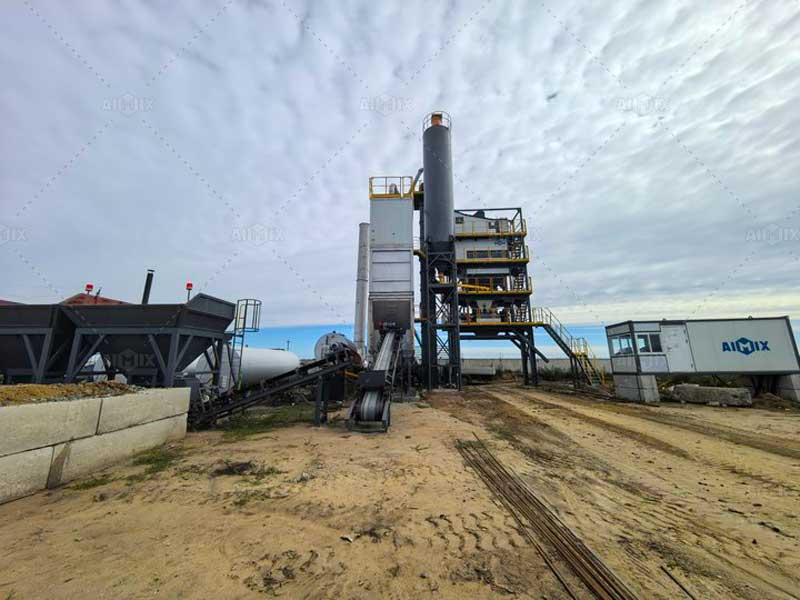
Which Projects Are Suitable For A 160 TPH Asphalt Mixing Plant?
After confirming production requirements, contractors should evaluate whether their project types match this capacity level. A 160 TPH plant is especially suitable for projects requiring continuous asphalt supply and strict construction schedules.
Highway And Expressway Construction
Highway projects usually involve large paving areas and long construction periods. Contractors need stable asphalt supply to maintain paving speed and avoid interruptions.
A 160 TPH plant allows contractors to support multiple paving teams while maintaining consistent asphalt quality. This advantage becomes more obvious during peak construction periods.
Airport Pavement Projects
Airport construction requires precise asphalt temperature control, uniform mixing quality, and reliable production. Any inconsistency may affect pavement performance and project acceptance.
Therefore, contractors often choose higher-capacity asphalt plants with accurate weighing systems and automated control features.
Urban Road Development
Growing cities require continuous road upgrades, ring roads, bridges, and municipal infrastructure improvements. These projects often have strict completion deadlines.
A stable asphalt production source helps contractors reduce dependence on external suppliers and improve schedule control.
Why Batch Type Asphalt Plants Are Popular For Large Asphalt Projects
When production quality becomes a priority, many contractors prefer batch production technology. Unlike continuous production methods, batch plants produce asphalt mixtures in controlled batches.
This process allows accurate measurement of aggregates, filler, and asphalt materials. As a result, contractors can achieve better consistency for demanding pavement projects.
For projects requiring different asphalt mixture designs, a batch type asphalt plant offers greater flexibility because operators can adjust each batch according to project requirements.
Furthermore, batch technology is widely used in highway, airport, and municipal construction because quality control is easier to manage.
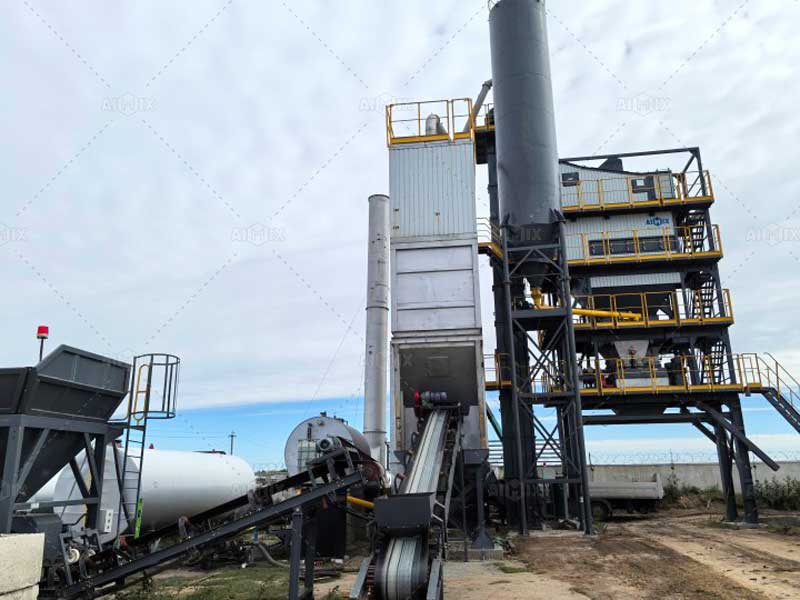
How Does A 160 TPH Plant Improve Contractor Efficiency?
Higher capacity does not only mean producing more tons per hour. More importantly, it improves the entire construction process.
For large projects, delays at the asphalt plant can affect transportation, paving equipment, labor efficiency, and project completion time. Therefore, production reliability becomes a key competitive advantage.
Reduce Truck Waiting Time
A higher output plant can load more trucks within the same period. This helps contractors maintain transportation efficiency and reduce unnecessary idle time.
Maintain Continuous Paving Operations
Paving crews work more efficiently when asphalt supply remains stable. Continuous production reduces interruptions and improves final pavement quality.
Improve Project Scheduling
Contractors gain better control over construction timelines because they are less dependent on third-party asphalt suppliers.
What Financial Benefits Can A 160 TPH Asphalt Mixing Plant Bring?
Although the initial investment of a 160 TPH asphalt mixing plant is higher than smaller models, contractors should evaluate the long-term financial value instead of only looking at the purchase price.
For companies with stable asphalt demand, owning a higher-capacity plant can create several economic advantages. These benefits become more visible when annual production continues above 150,000 tons.
Lower Asphalt Production Cost Per Ton
One major advantage is the reduction of production cost per ton. Equipment depreciation, labor management, and operational expenses are distributed across larger production volumes.
As a result, contractors can achieve better cost efficiency compared with operating smaller equipment under heavy production pressure.
Reduce Dependence On External Asphalt Suppliers
Many contractors purchase asphalt from commercial suppliers when project demand increases. However, external supply often brings additional transportation costs, scheduling limitations, and price fluctuations.
By investing in their own asphalt production system, contractors gain more control over production time, material quality, and project delivery.
Improve Project Profitability
Large infrastructure projects usually have strict budgets. Even a small reduction in asphalt production cost can create significant savings when thousands of tons are involved.
Therefore, a suitable asphalt plant is not only production equipment. It is also a tool for improving business competitiveness.
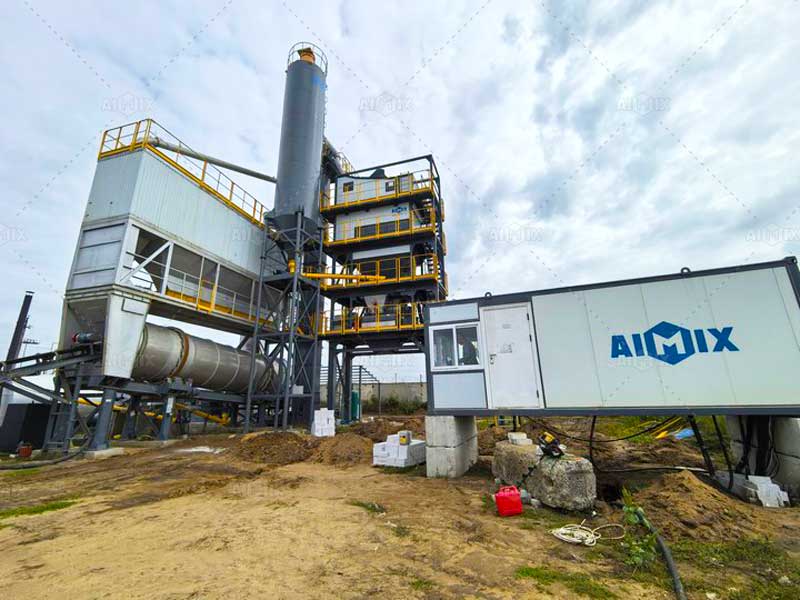
What Factors Should Contractors Consider Before Buying A 160 TPH Plant?
Although a 160 TPH asphalt mixing plant can support many large projects, contractors should still evaluate their actual business conditions before making an investment.
The right equipment choice depends on future workload, regional market demand, operating conditions, and long-term development plans.
Analyze Future Project Demand
A single large project may require high asphalt production temporarily. However, contractors should consider whether they have continuous projects after completion.
If the company expects stable demand over the next several years, a 160 TPH plant can provide stronger investment value.
Evaluate Raw Material Availability
Reliable aggregate supply, bitumen availability, and transportation conditions directly affect asphalt production efficiency.
Before purchasing equipment, contractors should confirm whether local suppliers can support continuous production.
Consider Site Conditions
The plant location should provide enough space for aggregate storage, truck movement, and future expansion.
A well-planned site layout improves material handling efficiency and reduces unnecessary operating costs.
Choose Reliable Equipment Support
Large asphalt plants require professional installation, commissioning, spare parts supply, and technical support.
Therefore, selecting an experienced manufacturer is equally important as selecting the equipment model itself.
How Does A 160 TPH Asphalt Plant Compare With Smaller Models?
Some contractors hesitate between investing in a 120 TPH plant or upgrading to a 160 TPH solution. The better choice depends on production goals.
| Comparison Item | 120 TPH Asphalt Plant | 160 TPH Asphalt Plant |
|---|---|---|
| Recommended Annual Production | 80,000-150,000 tons | 150,000-220,000 tons |
| Suitable Projects | Medium road projects | Large highways, airports, urban infrastructure |
| Peak Season Production | Moderate flexibility | Higher production reserve |
| Future Expansion Ability | Limited | Better long-term growth support |
For contractors whose annual asphalt demand is close to or above 150,000 tons, choosing a higher-capacity plant can prevent future production limitations.
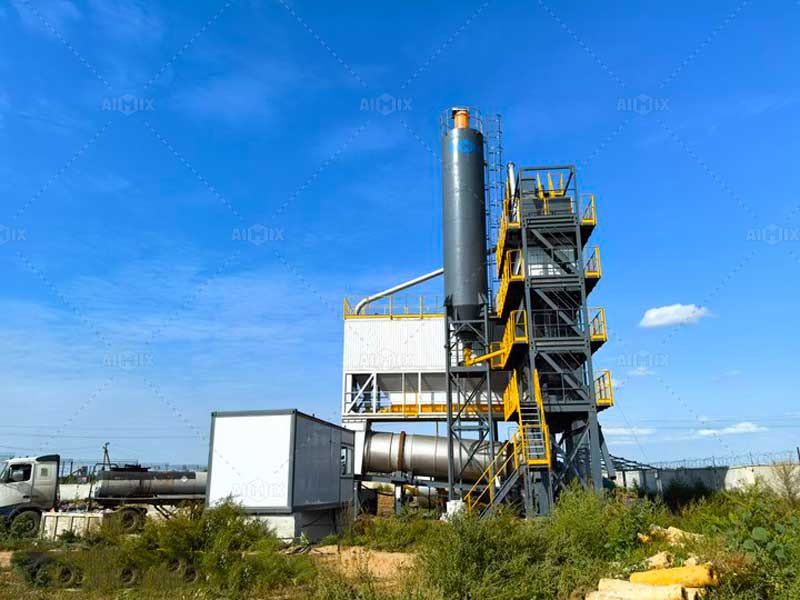
How Can Contractors Maximize The Return On Investment?
Purchasing a 160 TPH asphalt mixing plant is only the first step. Efficient operation determines whether the investment achieves maximum value.
Maintain High Equipment Utilization
The more consistently the plant operates, the faster contractors can recover investment costs. Therefore, project planning and production scheduling are very important.
Follow Preventive Maintenance Programs
Regular inspection and maintenance help avoid unexpected shutdowns. This improves equipment reliability and extends service life.
Optimize Fuel Consumption
Fuel is one of the largest operating costs in asphalt production. Proper burner adjustment and efficient drying systems help reduce unnecessary energy consumption.
Improve Production Management
Modern control systems help operators monitor production data, material usage, and asphalt quality. Better management leads to more stable performance.
Why Choosing The Right Asphalt Mixing Plant Matters For Long-Term Growth
For construction companies, an asphalt plant is not simply a machine. It is a production foundation that supports future business opportunities.
A properly selected plant allows contractors to accept larger contracts, improve project control, and compete more effectively in the infrastructure market.
When annual asphalt production exceeds 150,000 tons, investing in a suitable capacity solution becomes increasingly important. A 160 TPH plant provides a practical balance between investment cost, production capability, and future expansion potential.
For companies comparing different equipment options, an asphalt mixing plant for sale should be evaluated based on production needs, project conditions, and long-term operating benefits rather than only initial price.
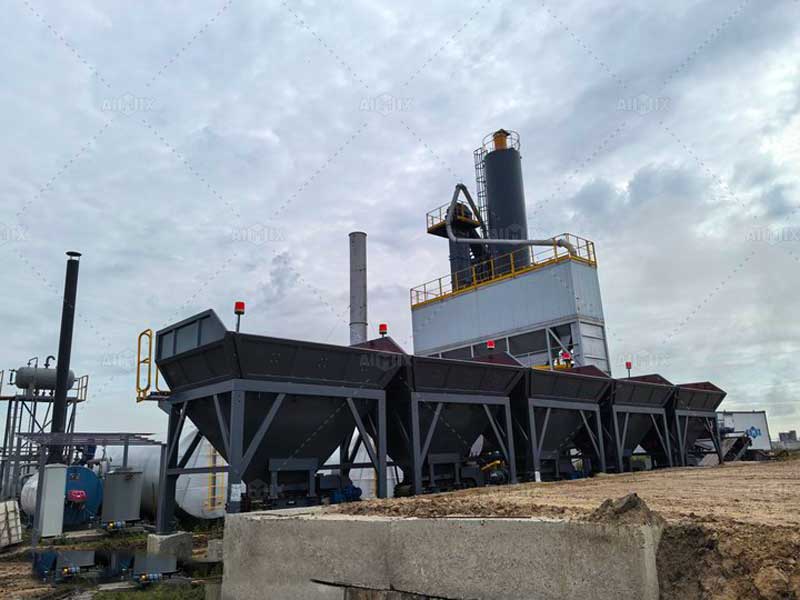
Is A 160 TPH Asphalt Mixing Plant Worth The Investment?
The answer is yes for contractors with stable demand above 150,000 tons per year. This capacity level provides enough production power for large infrastructure projects while maintaining reasonable investment efficiency.
However, the best investment decision depends on your specific situation. Project location, material supply, annual workload, and future expansion plans should all be considered before selecting equipment.
A professional evaluation can help you avoid choosing equipment that is too small for future growth or unnecessarily large for your actual demand.
Build A More Competitive Asphalt Production Business
The infrastructure market continues to create opportunities for contractors who can provide reliable asphalt supply and complete projects efficiently. A 160 TPH asphalt mixing plant can become a valuable asset when matched with the right business strategy.
Whether you are preparing a highway project, airport construction, urban road upgrade, or commercial asphalt supply business, selecting the correct equipment configuration is the foundation of long-term success.
If you are planning asphalt projects with annual production above 150,000 tons, contact our engineering team for a customized solution. We can help analyze your production requirements, recommend suitable equipment, and provide a practical investment plan for your future growth.
For contractors looking for high-quality hot mix asphalt production solutions, exploring an amp hotmix solution can also help understand how modern asphalt technology supports efficient and reliable road construction!