RMC plant cost is closely connected to delivery distance because ready mix concrete has a limited transportation window and requires efficient coordination between production, truck mixers, and construction sites. A plant may have sufficient production capacity, but serving customers too far away can increase fuel consumption, truck requirements, delivery time, and concrete waste. Therefore, when planning a ready mix business, operators should evaluate both the initial investment in an RMC plant and the practical delivery radius that allows concrete to remain fresh while maintaining healthy profit margins.
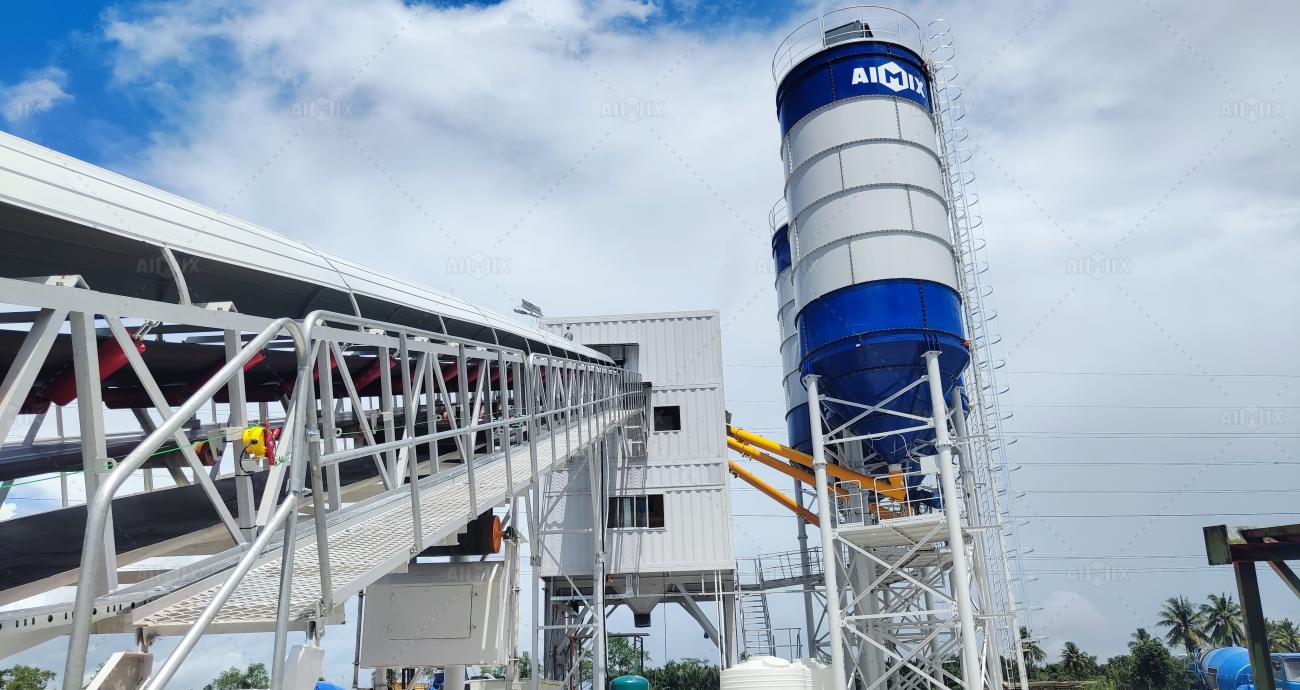
Why Delivery Radius Matters to RMC Plant Cost
The delivery radius determines how efficiently an RMC plant can serve construction projects. A customer located close to the plant generally requires a shorter truck cycle, allowing each mixer truck to complete more deliveries during a working day. As the delivery distance increases, the truck spends more time traveling and less time available for additional deliveries.
This creates a direct relationship between logistics and RMC plant cost. A plant serving a wide geographic area may need a larger fleet of mixer trucks, additional drivers, higher fuel consumption, and more sophisticated dispatch management. These expenses can significantly increase the actual cost of supplying each cubic meter of concrete, even when the batching plant itself has a high production capacity.
What Determines the Profitable Delivery Radius?
There is no universal delivery radius that applies to every RMC business. The profitable distance depends on production capacity, concrete demand, road conditions, traffic, truck speed, fuel costs, labor expenses, concrete prices, and customer requirements. The availability of alternative concrete suppliers in the target market also affects the competitive position of the plant.
For example, a plant located in an area with heavy traffic may have a shorter practical delivery radius than a plant serving customers through highways with relatively predictable travel times. Similarly, a remote project may justify a longer delivery distance if concrete prices are higher and competing suppliers are limited.
Production Capacity and Delivery Efficiency
Plant capacity should be matched with the expected demand within the target service area. A high-capacity RMC plant can produce large quantities of concrete, but its production capability has limited commercial value if trucks cannot transport the concrete efficiently to customers.
Consider a plant designed for high-volume production. If the delivery fleet is too small, concrete may accumulate at the plant faster than it can be dispatched. On the other hand, if the plant serves distant customers, trucks may remain on the road for long periods, reducing fleet utilization. The ideal setup balances batching capacity, truck fleet size, customer demand, and delivery distance.
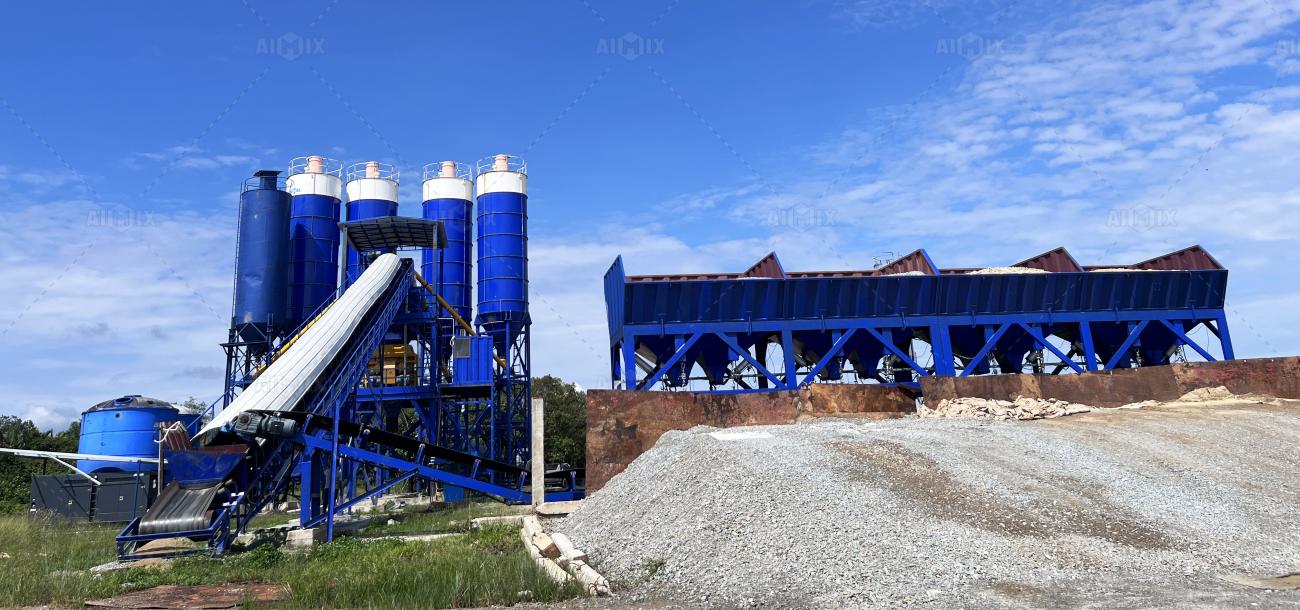
Truck Mixer Fleet and Delivery Radius
Truck mixers are an essential part of the RMC supply chain. Their number and operating efficiency can significantly influence the practical service area of a plant. Short delivery distances allow trucks to complete more cycles per day, while longer routes require more vehicles to maintain the same concrete delivery schedule.
When estimating RMC plant cost, investors should therefore include the cost of truck mixers and their supporting expenses. These can include vehicle purchase, fuel, tires, maintenance, insurance, drivers, and depreciation. A plant that appears economical based on equipment purchase price alone may become expensive to operate if its delivery fleet is poorly matched to the target market.
Concrete Freshness and Delivery Time
Distance is not the only concern when transporting ready mix concrete. Travel time is equally important because concrete must be delivered and placed within an appropriate period according to the concrete mix, environmental conditions, project requirements, and applicable standards.
Hot weather, traffic congestion, road construction, and long waiting times at the construction site can make delivery more difficult. For this reason, RMC operators should evaluate actual travel time rather than simply calculating geographic distance. A project located relatively close to the plant may still be difficult to serve if traffic conditions are unpredictable.
How Plant Location Affects Total Business Cost
Plant location is one of the most important decisions when establishing a ready mix business. A location close to major construction markets can reduce average delivery distances, while proximity to aggregate and cement suppliers can reduce incoming material transportation costs.
However, land prices may be higher in urban areas. Operators therefore need to balance land and infrastructure expenses against transportation savings. A slightly more expensive site may produce better long-term economics if it provides access to a large customer base and efficient transportation routes.
How to Start a Ready Mix Concrete Plant with the Right Service Area
Understanding how to start a ready mix concrete plant requires more than selecting batching equipment. Investors should first analyze the local construction market and identify where concrete demand is concentrated. Residential developments, commercial buildings, highways, bridges, industrial projects, and infrastructure construction can all create different demand patterns.
After identifying potential customers, the operator can estimate average delivery distances and determine the required plant capacity. The next step is to evaluate land availability, raw material supply, transportation routes, environmental requirements, power and water availability, labor, and truck access.
This approach helps prevent a common mistake: purchasing a large plant before understanding whether enough customers exist within an economically viable service area. The plant should be sized according to realistic market demand rather than maximum theoretical production.
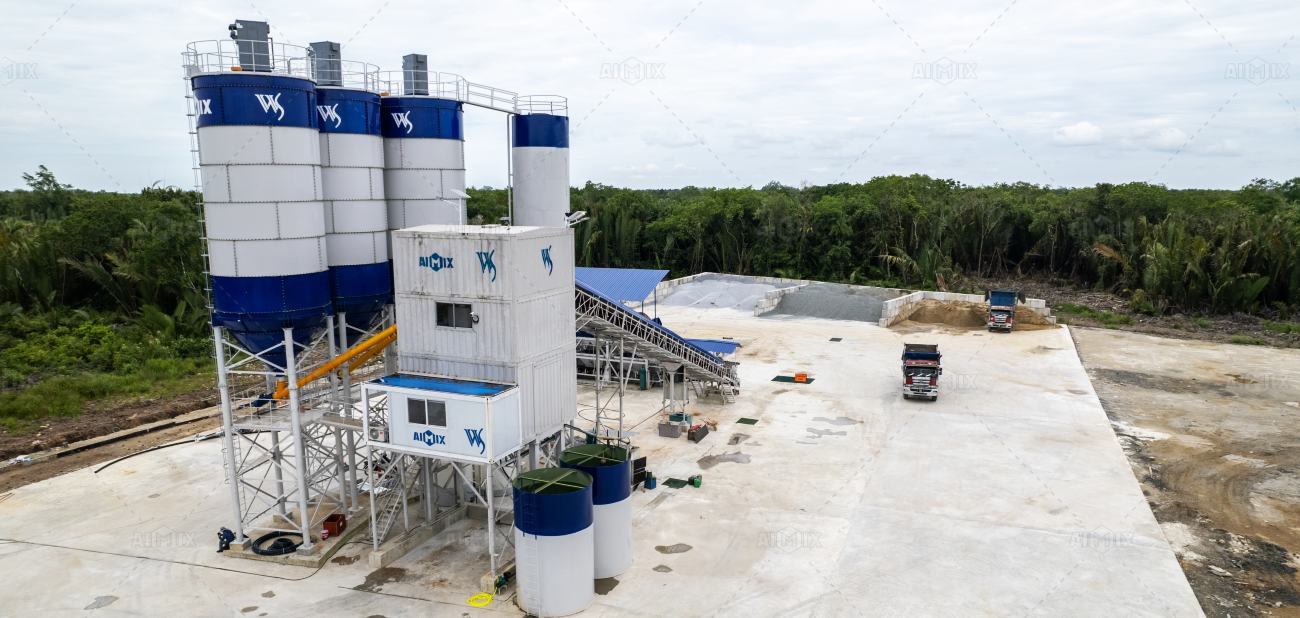
Choosing a Ready Mix Concrete Plant for Sale
When comparing a ready mix concrete plant for sale, buyers should evaluate the equipment configuration together with the expected delivery network. Production capacity, mixer type, aggregate storage, cement silo capacity, weighing accuracy, automation, installation requirements, and maintenance support all affect long-term performance.
A mobile plant may be attractive for temporary projects because it can be relocated closer to changing construction areas. A stationary plant may be more appropriate for a long-term commercial operation serving a stable customer base. The right choice depends on how frequently the plant needs to move and how the business plans to develop its market.
Why the Ready Mix Concrete Plant Manufacturer Matters
Selecting a reliable ready mix concrete plant manufacturer can also influence the overall economics of the project. Equipment quality affects production stability, maintenance frequency, energy consumption, and availability of spare parts.
A manufacturer should be able to recommend a plant configuration based on the required capacity, concrete mix requirements, site conditions, and operating environment. Technical support during installation and commissioning can also reduce startup delays, while reliable after-sales service can help minimize unexpected downtime.
How to Calculate the Economic Delivery Radius
A practical approach is to calculate the total delivery cost per cubic meter at different distances. This calculation should include fuel, driver wages, truck depreciation, maintenance, loading and unloading time, and the opportunity cost of truck utilization.
For example, an operator can compare the economics of serving customers within short, medium, and long travel zones. If the additional transportation cost becomes greater than the additional revenue or delivery charge generated by a distant customer, expanding the service area may no longer be profitable.
The analysis should also consider return trips, because trucks may return empty after delivering concrete. Better route planning, customer scheduling, and dispatch management can improve fleet utilization and extend the economically practical service area.
Ways to Extend the Profitable Service Area
RMC businesses can improve delivery economics without simply increasing the number of trucks. GPS-based dispatching, accurate production scheduling, route optimization, and real-time communication with construction sites can reduce waiting and idle time.
Strategically locating additional plants or satellite production facilities can also be more efficient than operating one large plant with an extremely wide delivery radius. For rapidly growing markets, multiple strategically positioned plants can shorten average delivery distances and provide greater supply reliability.
Conclusion
The profitable delivery radius of an RMC plant depends on much more than distance. Production capacity, truck fleet utilization, fuel and labor costs, traffic, concrete freshness, customer density, plant location, and market prices all influence the economics of concrete delivery. When calculating RMC plant cost, investors should therefore evaluate the entire production-to-delivery chain rather than focusing only on equipment purchase price. By carefully analyzing the target market, selecting the right ready mix concrete plant for sale, working with an experienced ready mix concrete plant manufacturer, and planning the business around realistic delivery distances, operators can build a more efficient and profitable ready mix concrete operation.