In modern container terminals, intermodal logistics hubs, and dry ports, the rubber tyred gantry crane serves as critical infrastructure for container stacking, vessel loading support, and housekeeping operations. Driven by fluctuating fuel markets, strict environmental mandates, and terminal automation targets, port authorities evaluating fleet renewals often compare two principal technology pathways: conventional diesel-driven machines and the modern electrified RTG.
Selecting the appropriate port gantry crane requires terminal management to objectively balance initial capital expenditure against long-term operational costs. This article explores the economic structure, power technology tradeoffs, and lifetime cost factors associated with both diesel and electric container gantry crane models—without using specific currency figures.
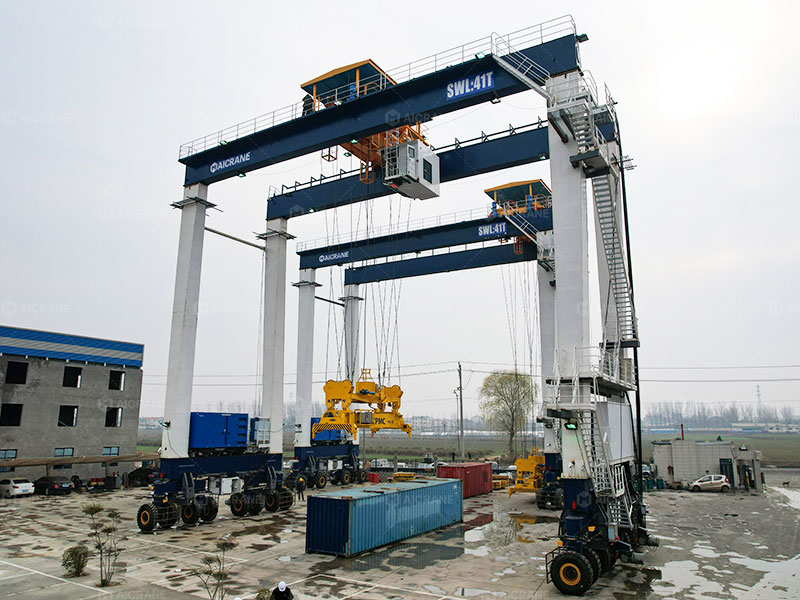
1. Initial Capital Expenditure (CapEx): Structural Differences
During procurement, an electrified RTG generally incurs a higher turnkey acquisition cost than a conventional diesel RTG crane. This difference stems from specialized onboard electrical hardware and necessary civil power supply infrastructure.
A. CapEx Characteristics of Conventional Diesel RTGs
The traditional diesel yard gantry crane relies on a self-contained powertrain comprising a heavy-duty diesel generator set, fuel tanks, and electro-hydraulic or electronic drive systems.
- High Operational Autonomy: A diesel-driven mobile gantry crane operates as a fully autonomous unit. It requires minimal landside civil modifications and can begin operations immediately upon delivery.
- Standardized Equipment Architecture: The industrial diesel engine supply chain is well established, allowing manufacturers of the container handling gantry crane to maintain standardized structural designs and lower initial factory production costs.
B. CapEx Components of Electrified RTGs (E-RTGs)
Deploying an electrified RTG involves capital layout beyond the crane structure itself, encompassing both onboard electrical conversion gear and landside grid integration:
- Onboard Electrical Hardware: An electric terminal gantry crane requires high-voltage transformers, variable frequency drives (VFDs), motorized cable reels, or dedicated onboard battery packs (sometimes paired with micro-diesel auxiliary units for block-to-block travel).
- Civil and Grid Infrastructure: Implementing a cable reel gantry crane system requires landside preparation, such as underground cable trenches, high-voltage distribution pits, and socket boxes alongside container stacks. These civil engineering works represent a noticeable portion of the initial project budget.
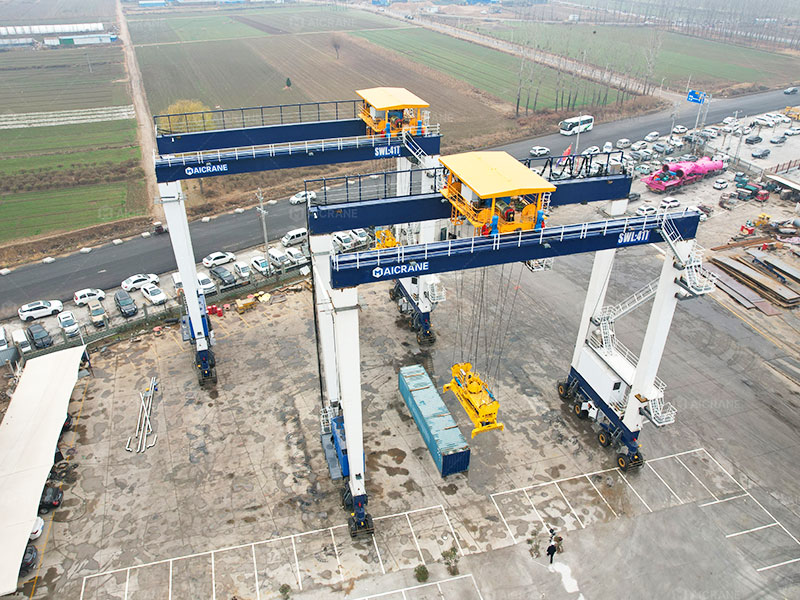
2. Operational and Maintenance Expenditure (OpEx)
While an electrified RTG requires higher upfront capital, it typically provides lower operational expenses over a typical 12- to 15-year service life in active container yards.
A. Energy Efficiency and Consumption Patterns
- Energy Conversion: Internal combustion engines experience thermal and mechanical losses, and continue consuming diesel during standby/idling periods. Conversely, electric motors in a modern port gantry crane convert energy with high efficiency and consume virtually no power while idling.
- Regenerative Braking Recovery: During container lowering or trolley deceleration, an electric container gantry crane can capture gravitational and kinetic energy via variable frequency drives. This energy is fed back into the terminal power grid or stored in onboard battery units, lowering overall power demand.
- Energy Unit Cost Profiles: In most port jurisdictions, the cost of industrial electricity per container move is generally lower than equivalent refined diesel fuel costs.
B. Power Configuration Options: Cable Reel vs. Battery / Hybrid
Port operators configure power supply interfaces for a rubber tyred gantry crane based on yard layout and operational flexibility requirements:
- Motorized Cable Reel Systems: High-voltage cable reels connect directly to yard pit sockets. This setup provides continuous grid power with a compact physical footprint, making it ideal for long stacking blocks with predictable linear movements. Automatic plug-release mechanisms combined with small battery packs enable smooth lane transfers.
- Battery Power / Hybrid Systems: Utilizing larger lithium battery packs or a hybrid “small diesel generator + battery” configuration allows a mobile gantry crane to maintain block-to-block flexibility while reducing engine displacement, fuel burn, and engine running hours.
C. Maintenance Overhead and Servicing Requirements
- Engine Servicing Demands: Diesel engine powertrains contain numerous high-speed moving parts requiring regular preventative maintenance, such as oil and filter changes, coolant flushes, and periodic engine overhauls. Exhaust after-treatment systems (e.g., EPA Tier 4 Final / EU Stage V) also require routine servicing.
- Electric Motor Simplicity: Electric motors installed on a yard gantry crane have fewer wearable components, require no engine oil, and feature low mechanical wear. This reduces routine maintenance labor and spare parts usage over the machine’s lifecycle.
3. Lifecycle Cost Factors and Investment Payback Horizon
When evaluating a container handling gantry crane investment, port operators examine total lifecycle costs by combining initial machinery and civil infrastructure outlays with ongoing fuel/electricity consumption, routine maintenance expenses, and potential downtime impacts, offset by estimated residual value.
Key Factors Influencing Payback Horizons:
- Yard Throughput and Duty Cycle: Higher annual container moves per RTG crane accelerate operational savings, enabling energy and maintenance cost reductions to offset initial CapEx premiums more rapidly.
- Oil-to-Electricity Price Ratios: The relative price gap between local diesel supplies and industrial electricity tariffs directly dictates the rate of energy cost savings.
- Environmental Policies: In regions with active carbon management or green port incentives, operating zero-emission terminal gantry crane units helps minimize regulatory compliance costs.
Conclusion
Conventional diesel rubber tyred gantry crane models offer high block-to-block mobility and lower initial procurement thresholds, but carry higher ongoing fuel and engine maintenance demands over extended operating periods.
An electrified RTG—whether using motorized cable reels or battery/hybrid power—requires higher initial capital for the gantry crane system and civil preparation. However, through improved energy efficiency, regenerative energy recovery, and reduced mechanical maintenance, it can recover its initial capital outlay over time. Terminal operators can select the technological configuration that best aligns with their yard layout, throughput demands, and financial objectives.