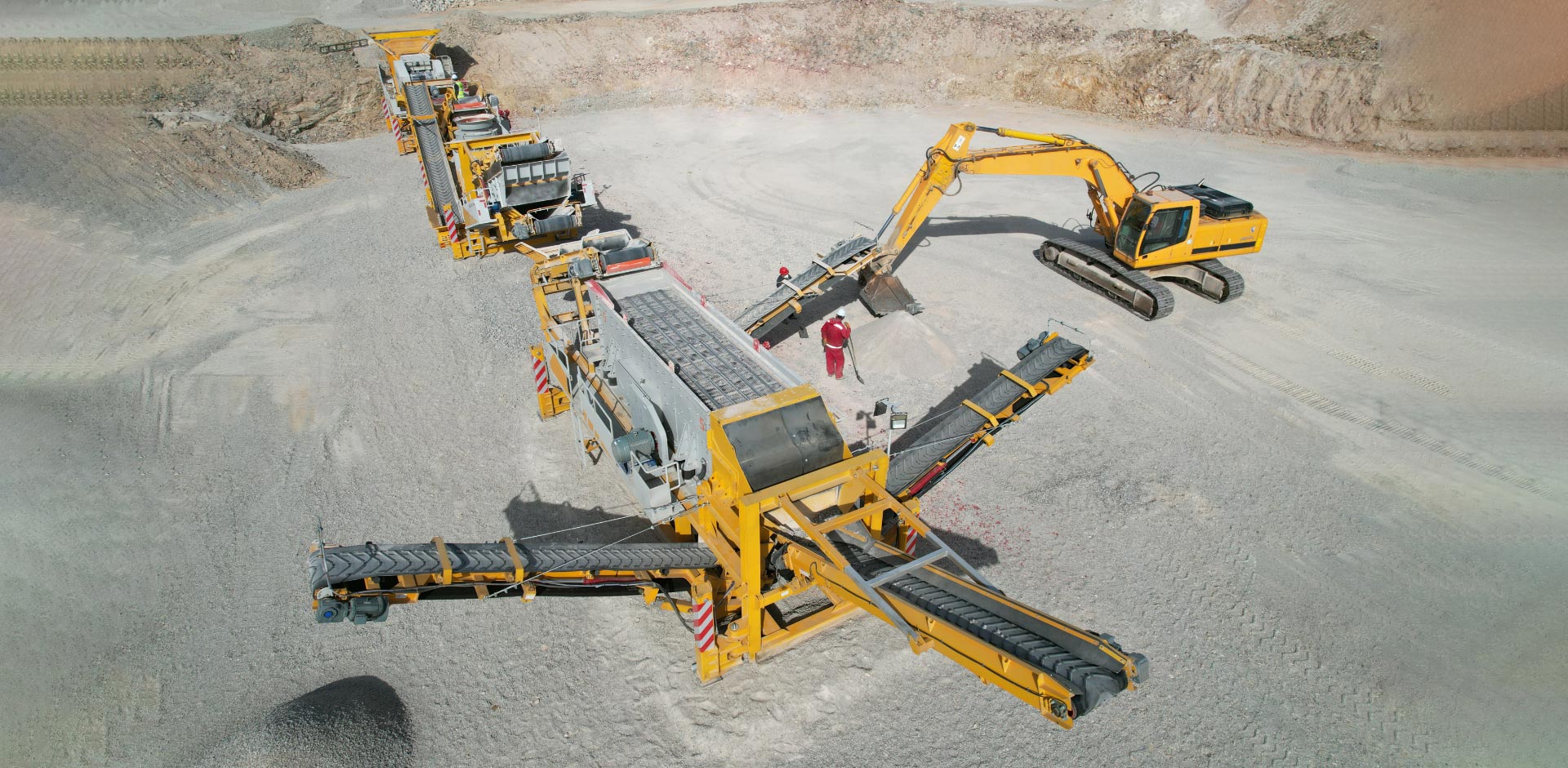
In construction waste recycling, crushing gets much of the attention, but screening plays an equally important role in determining the quality of recycled aggregate. A well-designed screening process separates particles according to size, removes unwanted oversize material, and controls the final gradation. Without effective screening, even a high-performance crushing system may struggle to produce consistent recycled aggregate for construction applications.
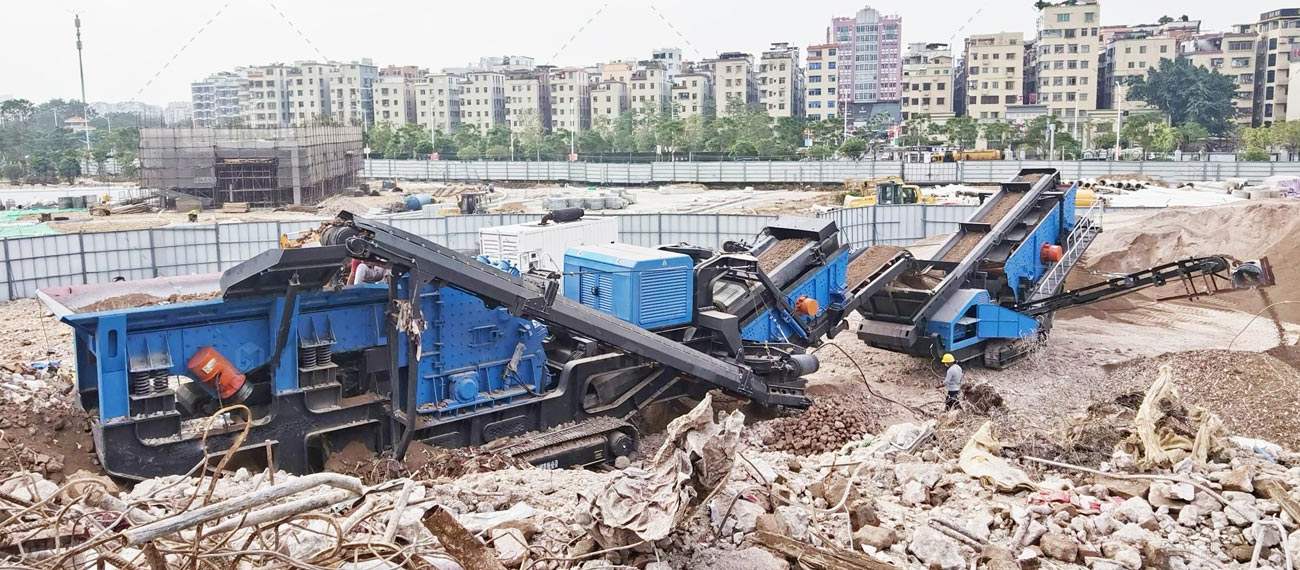
Why Screening Matters in Recycled Aggregate Production
Construction and demolition waste usually contains materials with different sizes and properties. Concrete fragments, bricks, mortar, asphalt, soil, and other debris may enter the recycling process together. After crushing, the resulting material still contains a wide range of particle sizes.
Screening separates these particles into different size fractions so that each material can be directed to the appropriate product stream or returned for further processing. This makes screening an important control point between crushing and final aggregate production.
For example, a concrete crusher machine can reduce large demolition concrete into smaller fragments, but crushing alone does not guarantee a specific aggregate gradation. The screen determines which particles meet the target size and which need additional crushing. In this way, crushing and screening work together rather than functioning as completely separate stages.
How Screening Controls Aggregate Gradation
Gradation describes the distribution of different particle sizes within recycled aggregate. It directly affects how the material behaves when used in road base, concrete, drainage layers, and other construction applications.
If a screen allows too much oversized material to pass into the finished product, the recycled aggregate may fail to meet the required specification. On the other hand, excessive removal of certain size fractions can create an unbalanced product containing too many fines or too few intermediate particles.
A properly selected screening system creates a more controlled particle-size distribution. Different screen decks can separate the crushed material into several fractions, allowing operators to produce coarse aggregate, smaller aggregate, and fine material according to project requirements.
Why Oversize Material Needs to Be Controlled
One of the main functions of screening in construction waste recycling is identifying particles that are still too large. These particles can be returned to the crusher for another reduction stage instead of being mixed into the final product.
This closed-circuit approach is particularly useful when consistent aggregate size is required. Material that does not meet the target specification is continuously recirculated until it reaches the appropriate size.
However, excessive recirculation can also reduce plant efficiency. If the screen is poorly matched with the crusher or the screening surface becomes blocked, more material may circulate through the system than necessary. This increases the workload of both the crusher and conveyor system.
Screening Efficiency Depends on Feed Material
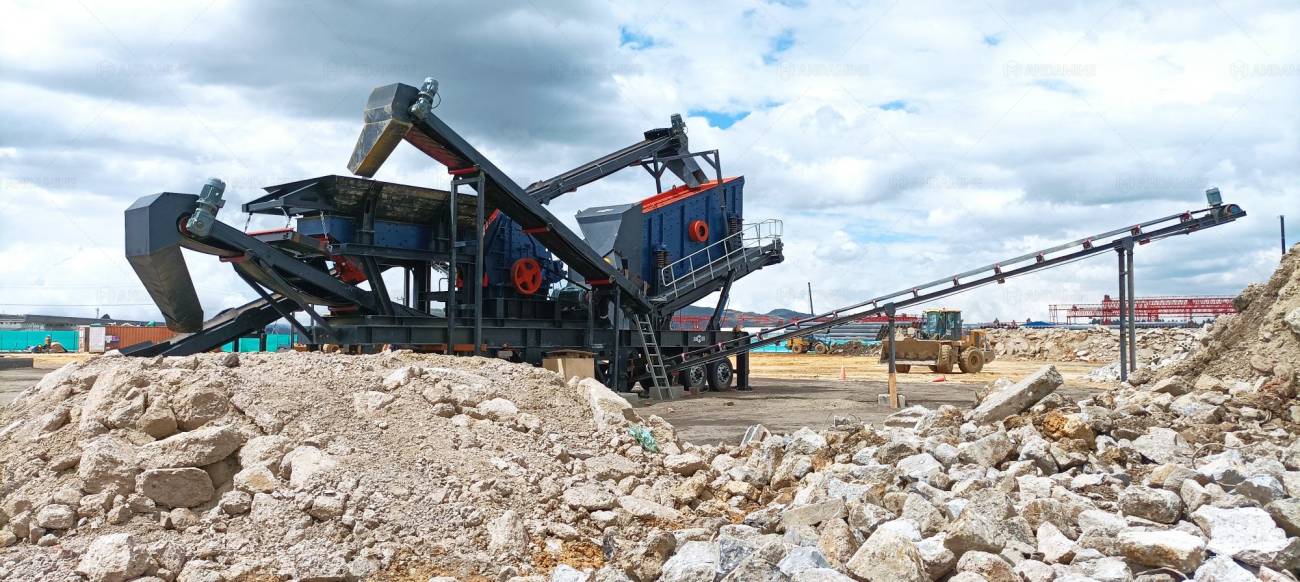
Not all construction waste behaves the same way during screening. Crushed concrete, brick fragments, asphalt, and mixed demolition debris can have different shapes, densities, and moisture levels. These characteristics affect how easily particles pass through the screening surface.
Moist material can be particularly challenging because fine particles may stick together or adhere to the screen surface. This can reduce screening efficiency and cause material that should pass through the openings to remain with larger particles.
Particle shape also matters. Flat or elongated pieces may behave differently from more cubical particles, potentially affecting separation accuracy. Therefore, screening performance should always be evaluated together with the characteristics of the crushed material.
Matching the Screen With the Crusher
A screening system cannot be selected independently from the crushing equipment. In a construction waste crusher plant, the crusher and screen must be matched according to feed capacity, material characteristics, target products, and required production rate.
If the crusher produces material faster than the screen can process, the screen can become the bottleneck. Material may accumulate around the screening stage, reducing the overall throughput of the recycling plant.
The opposite situation can also create inefficiency. If the screening capacity is much higher than the crusher’s actual output, part of the screening system may remain underutilized.
For this reason, plant designers should consider the entire material flow from feeding and crushing to screening, recirculation, conveying, and stockpiling. The objective is not to maximize the capacity of one machine but to maintain a balanced production system.
Screen Selection and Final Product Requirements
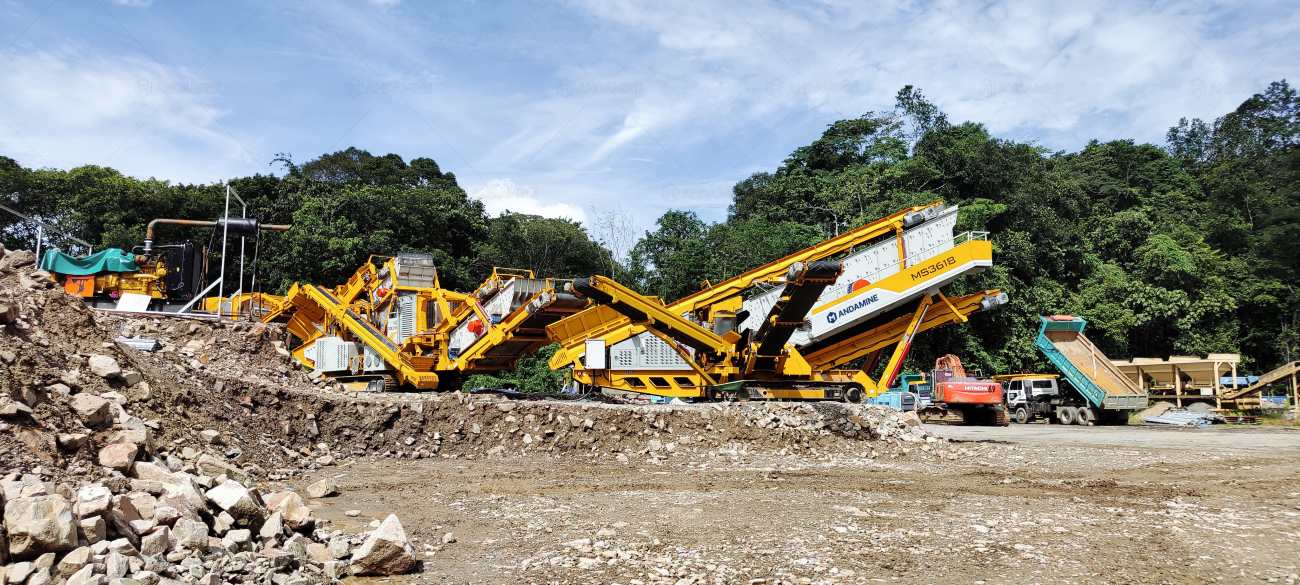
The required recycled aggregate determines how the screening stage should be configured. A simple application may only require basic separation between coarse and fine material, while more demanding applications may require multiple product sizes.
Screen opening size, number of decks, screening area, feed rate, and material characteristics all influence the final result. Operators should therefore begin with the desired aggregate specifications and work backward when selecting screening equipment.
This approach also helps avoid unnecessary crushing. If a portion of the material already meets the required size, it can be separated by screening rather than being crushed again. Reducing unnecessary recirculation can save energy and minimize wear on crushing equipment.
Better Screening Can Reduce Crushing Costs
Effective screening does more than improve product quality. It can also influence the operating cost of the entire recycling process.
When correctly sized material is separated efficiently, the crusher only needs to process particles that actually require further reduction. This can reduce unnecessary power consumption and wear on components such as crusher liners, blow bars, or other wear parts.
In a concrete recycling application, for example, a concrete crusher machine may process large quantities of demolished concrete. If the screening stage efficiently removes material that already meets the required size, the crusher can focus on the remaining oversize fraction instead of repeatedly processing finished aggregate.
Screening Is a Quality-Control Stage
It is useful to think of screening as a quality-control stage rather than simply a material-separation step. The screen determines whether particles continue toward the final product or return to the crushing circuit.
Consistent screening therefore helps maintain stable aggregate gradation even when the feed material changes slightly. Regular inspection of screen surfaces, adjustment of feed distribution, and monitoring of product size can help operators identify problems before they affect the entire production process.
Building a More Efficient Construction Waste Recycling System
High-quality recycled aggregate depends on the interaction between demolition practices, material sorting, crushing, screening, and final product handling. Screening cannot compensate for every problem created upstream, but a properly designed screening stage can significantly improve the stability and efficiency of the recycling process.
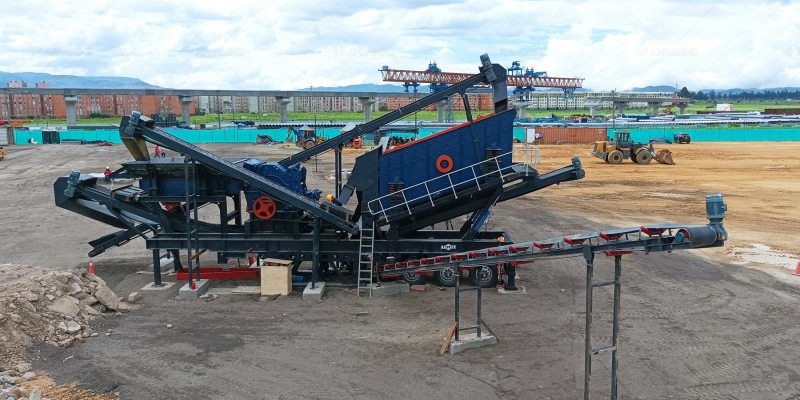
For projects processing large quantities of demolition concrete and mixed construction waste, a complete construction waste recycling plant may be more effective than relying on a standalone crusher. The right combination of feeding, crushing, screening, separation, and conveying equipment can be designed according to the waste composition and required recycled aggregate specifications.
If you are planning a construction waste recycling project and need a complete processing solution, Andamine can help evaluate the material characteristics, required capacity, and final aggregate specifications to develop a suitable construction waste recycling plant configuration.