In developing construction economies, infrastructure growth is accelerating rapidly, driven by urban expansion, transportation upgrades, housing demand, and industrial development. As a result, concrete production has become a core business opportunity for contractors and investors. One of the most common questions is: how much does a concrete batch plant cost in these markets, and what factors influence the total investment?
The answer is not fixed, because cost depends on capacity, configuration, automation level, and regional logistics. However, in countries such as the batching plant in the Philippines market and the concrete batching plant in Malaysia industry, investment patterns show clear trends that help investors understand realistic budgeting and business planning.
Key Factors Affecting Concrete Batch Plant Cost
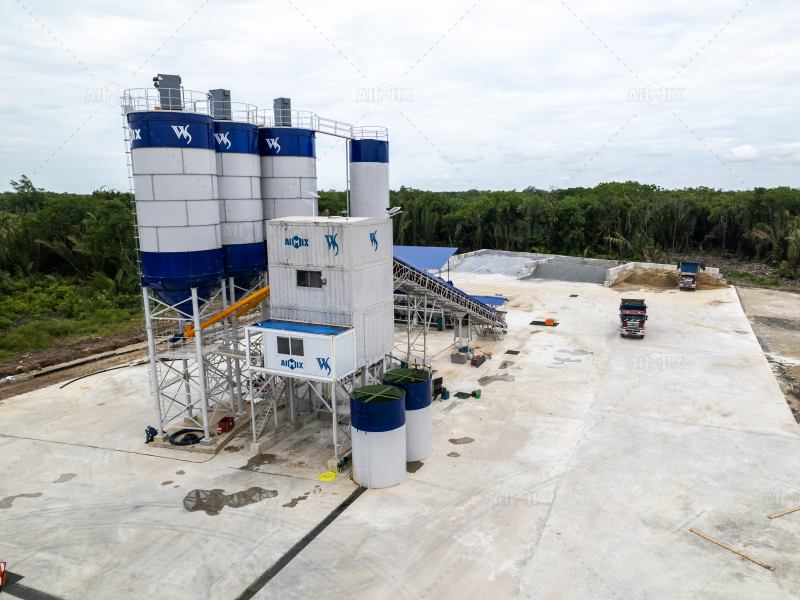
The cost of a concrete batch plant in developing economies varies widely depending on several important factors. The first factor is production capacity. Small plants designed for local construction projects require lower investment, while medium and large-scale plants for commercial supply or infrastructure projects require significantly higher capital.
The second factor is plant type. Mobile batching plants are more flexible and suitable for fast-moving projects, while stationary plants are preferred for long-term production and high-volume supply. Mobile systems often reduce installation costs, while stationary systems provide higher long-term stability.
Automation level also significantly affects pricing. Fully automated plants with PLC control systems, digital weighing, and real-time monitoring cost more initially but reduce labor dependency and improve long-term efficiency.
Concrete Batch Plant Cost in the Philippines Market
The batching plant in the Philippines market has seen strong demand due to rapid infrastructure development, including road networks, bridges, residential buildings, and government-funded construction projects.
In this market, investors often choose mobile or semi-mobile plants because construction projects are frequently spread across islands and remote regions. Transportation efficiency becomes a critical cost factor, making on-site or near-site concrete production more economical.
Import duties, logistics, and installation conditions also affect investment costs. However, strong demand for ready-mix concrete helps shorten the payback period and improves return on investment.
Concrete Batching Plant Investment in Malaysia
The concrete batching plant in Malaysia industry is more mature compared to many developing markets, but it continues to expand due to infrastructure upgrades, industrial development, and housing demand.
In Malaysia, competition is higher, which pushes investors to focus on efficiency, automation, and production stability. Stationary batching plants are commonly used for commercial ready-mix operations, while mobile plants are used for highway and remote construction projects.
Although initial investment costs may be higher due to stricter standards and quality requirements, the market offers stable long-term demand and strong profit potential.
How to Start a Concrete Business Successfully
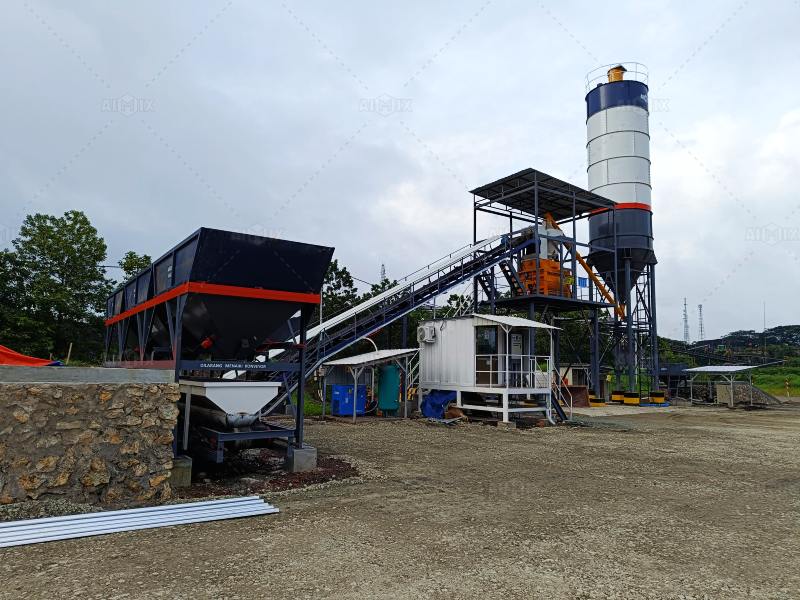
Understanding how to start a concrete business is just as important as knowing equipment costs. A successful concrete business requires strategic planning beyond purchasing a batching plant.
The first step is market research. Investors need to analyze local demand, competitor pricing, construction activity, and government infrastructure plans to determine the right plant capacity and business model.
The second step is equipment selection. Mobile plants are suitable for flexible project-based operations, while stationary plants are better for long-term commercial supply.
The third step is site selection and logistics planning. A batching plant should be located near cement suppliers, aggregate yards, and transport routes to reduce operating costs.
The fourth step is installation and commissioning. Proper setup ensures accurate weighing, stable mixing quality, and efficient production. Operator training is also essential.
Finally, business development is key. Concrete businesses supply contractors, infrastructure projects, real estate developers, and government works, ensuring continuous demand.
Long-Term Cost Considerations
When evaluating how much a concrete batch plant costs, investors must consider long-term operational expenses such as raw materials, labor, maintenance, energy, and transportation.
In developing economies, material price fluctuations can affect profit margins. Efficient production management and strong supplier relationships are essential for maintaining competitiveness.
Automation systems can reduce waste and improve accuracy, lowering long-term costs even if initial investment is higher.
ROI and Business Potential
Despite the initial investment, concrete batching plants offer strong ROI in developing construction economies due to continuous infrastructure growth.
In markets such as the Philippines and Malaysia, well-managed plants can achieve payback within a few years depending on utilization rates and project volume.
Conclusion
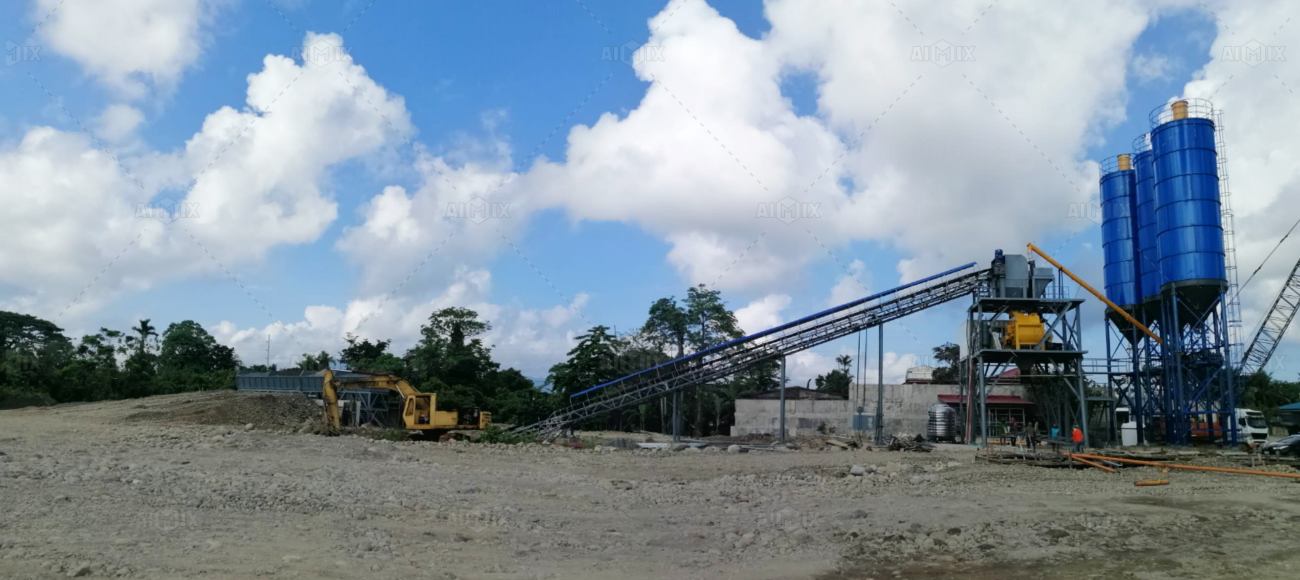
The question of how much does a concrete batch plant cost depends on capacity, automation, plant type, and regional conditions rather than a single fixed price.
Markets such as the batching plant in the Philippines and the concrete batching plant in Malaysia show strong growth potential with unique investment opportunities.
Understanding how to start a concrete business is essential for long-term success. With proper planning and efficient operations, a concrete batching plant can become a highly profitable investment in developing construction economies.