Latin America’s infrastructure landscape is experiencing rapid modernization, driven by cross-border highway projects, urban expansions, and rural connectivity initiatives. However, construction organizations in the region frequently face unique geographical and logistical challenges, ranging from the rugged Andes mountains to dense tropical rainforests and remote desert corridors. In this complex environment, traditional centralized project management often falls short. To maintain tight timelines and optimize resource allocation, project managers are increasingly turning to highly adaptable equipment solutions. Chief among these innovations is the mobile asphalt plant(planta asfáltica móvil), a technology that is fundamentally redefining scheduling efficiency and execution strategies for regional contractors.
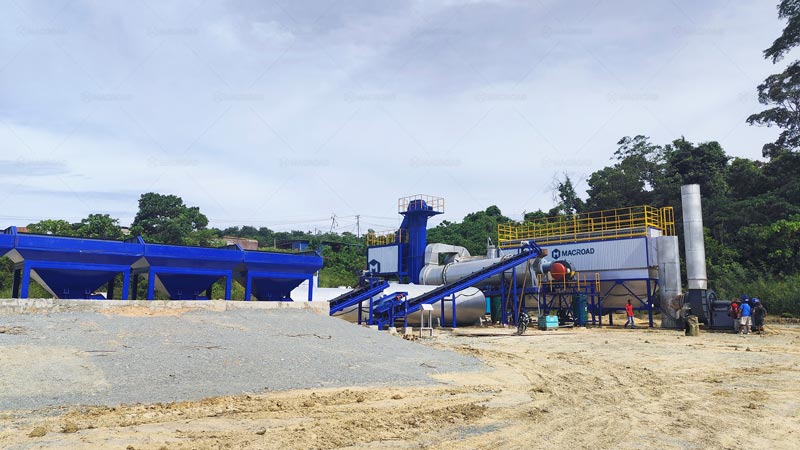
Geographical Overflows and Logistical Agility
One of the primary hurdles in Latin American road construction is the sheer distance between existing industrial hubs and new project sites. Transporting hot mix asphalt over long distances is notoriously problematic, as the material must be laid and compacted within a strict temperature window. When relying on a stationary asphalt plant, any unexpected transport delay caused by mountainous terrain, unpaved access roads, or urban gridlock can ruin an entire batch of material, throwing the daily schedule into chaos. Setting up a dedicated mobile asphalt plant near the job site solves this problem completely.
Integrating a mobile asphalt plant directly into the construction organization mitigates these risks entirely. Because these units are engineered for rapid deployment and teardown, a mobile asphalt plant can move along with the advancing front of the highway. This proximity drastically slashes haulage times, ensuring that the asphalt plant delivers a predictable, continuous supply of fresh mix to the paving crew. By decoupling the project schedule from external transit vulnerabilities through an onsite asphalt plant, contractors can plan their daily operations with a level of precision that was previously unattainable.
Procurement Flexibility and Fleet Optimization
Strategic scheduling relies heavily on equipment availability and upfront financial planning. When regional construction firms browse commercial options, discovering an efficient asphalt plant for sale that fits tight budgetary constraints can completely change their operational timeline. Finding the right asphalt plant for sale allows companies to establish independent production schedules. Investing in a proprietary mobile asphalt plant allows organizations to break free from the erratic delivery schedules and price fluctuations of local third-party suppliers.
The Role of Component Standardization
Modern mobile units are built on modular, wheeled chassis, allowing for rapid mechanical setup without requiring extensive concrete foundations. This standardized engineering simplifies the procurement of spare parts for your mobile asphalt plant and simplifies maintenance schedules across various regional jurisdictions. Instead of waiting weeks for specialized components to clear customs, choosing a highly reliable asphalt plant for sale with standard components keeps the machinery operational, preventing costly project overruns.
Synchronizing Mixed Fleets
A self-owned mobile asphalt plant asset allows project managers to align the output of the production unit directly with their fleet of aggregate haulers, water trucks, and compactors. Rather than adjusting paving speeds to match the unpredictable arrival of external delivery trucks, the output of the onsite asphalt plant(planta de asfalto) can be dialed up or down in real-time, matching the exact operational capacity of the onsite workforce.
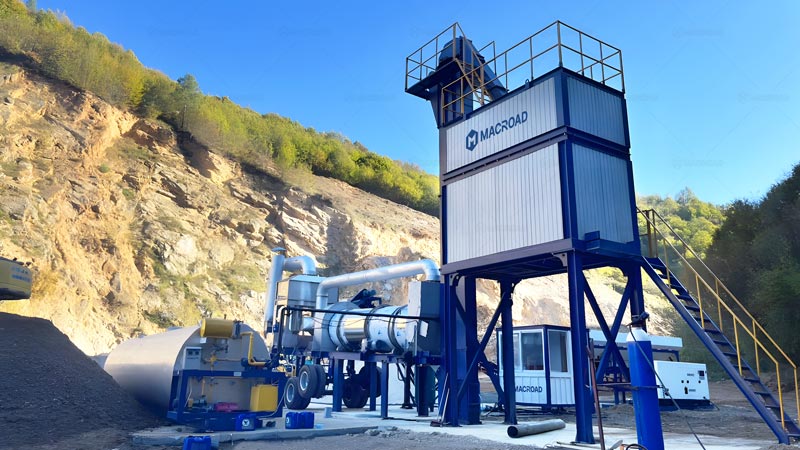
Operational Efficiencies of Advanced Plant Designs
The internal mechanics of modern mobile machinery play a significant role in scheduling predictability. Contractors generally choose between batch-process setups and continuous-flow systems depending on their specific project parameters and material requirements. The table below illustrates how the choice of system impacts key scheduling metrics:
| Scheduling Vector | Stationary Setup | Mobile Asphalt Plant Configuration |
|---|---|---|
| Relocation Downtime | Several weeks to months | 24 to 48 hours total for a mobile asphalt plant |
| Foundation Requirements | Heavy reinforced concrete footings | Compact chassis pads for a mobile asphalt plant |
| Transit Dependency Risk | High (vulnerable to external traffic) | Negligible (asphalt plant located at job site) |
| Mix Design Flexibility | Fixed capacity, difficult to alter daily | Rapid changeovers via asphalt plant software |
Drum Mix Innovations
For high-volume, continuous highway paving where speed is paramount, the drum mix asphalt plant stands out as an exceptional scheduling asset. These systems combine the aggregate drying and mixing processes within a single rotating drum, allowing for continuous, uninterrupted material production. The mechanical simplicity of a drum mix asphalt plant(simplicidad mecánica de una planta de asfalto continua) means fewer moving parts, which translates directly into reduced mechanical downtime and fewer unscheduled maintenance stops during critical paving windows. When timelines are tight, the reliability of a continuous drum mix asphalt plant ensures steady progress without the stop-and-start delays inherent in traditional batching methods. For companies looking to expand, acquiring a drum mix asphalt plant is often the most cost-effective path to doubling daily paving output.
Adapting to Diverse Mix Designs
Latin American public works departments often enforce varying material specifications depending on regional climates, from the high-altitude cold of Peru to the humid lowlands of Brazil. Advanced mobile asphalt plant units feature highly accurate, computerized control systems that let operators switch between different mix designs with minimal downtime. This flexibility allows a single asphalt plant to handle diverse structural layers without requiring long operational pauses to recalibrate the machinery.
Resource Management and Risk Mitigation
Successful construction scheduling in Latin America requires a proactive approach to resource scarcity and volatile weather patterns. The localized nature of mobile production offers structural advantages that protect project timelines from external shocks. When contractors analyze an asphalt plant for sale(analizar una planta de asfalto en venta), they must consider how the machinery handles environmental risks. Contractors can systematically insulate their workflows by focusing on key operational milestones:
- Strategic Material Stockpiling: Position aggregates and bitumen at the mobile asphalt plant site prior to the rainy season to eliminate dependence on active supply lines.
- Dynamic Output Calibration: Scale production of the asphalt plant up during favorable weather windows to advance the project timeline ahead of schedule.
- Decentralized Fuel Routing: Supply fuel directly to localized zones, reducing the logistical footprint of supporting equipment for the drum mix asphalt plant.
When heavy tropical rains or sudden logistical bottlenecks disrupt aggregate deliveries, a centralized production facility can experience widespread supply chain stoppages. Conversely, an onsite mobile asphalt plant allows project managers to stockpile raw aggregates locally. Even if regional supply routes are temporarily cut off, the onsite configuration of the drum mix asphalt plant ensures that paving can continue uninterrupted using local reserves, preserving the master schedule from seasonal disruptions.
To summarize, the core layout components that drive this predictability include:
- Integrated cold feed bins in the mobile asphalt plant for immediate raw material sorting.
- On-chassis control cabins for single-operator asphalt plant scheduling adjustments.
- Quick-disconnect electrical wiring harnesses to accelerate setup times for the drum mix asphalt plant.
- Self-erecting storage silos that eliminate the need for heavy auxiliary cranes during asphalt plant deployment.
Ultimately, the adoption of mobile production technology shifts the balance of power back to the construction organization. By bringing a mobile asphalt plant directly to the job site, minimizing transit dependencies, utilizing continuous-flow drum mix asphalt plant technologies, and mitigating environmental risks, contractors can navigate the geographical and logistical complexities of Latin America with unprecedented predictability and efficiency. Investing in a high-quality asphalt plant for sale guarantees that your company remains competitive, nimble, and highly profitable across all future regional contracts.