When it comes to selecting the right asphalt plant for your construction needs, the choice between a mobile or stationary asphalt plant can be challenging. Both types of plants offer distinct advantages depending on the nature of your projects. Whether you’re working on a large-scale infrastructure project, a smaller road repair, or need to move equipment from one site to another, understanding the key differences between these two plant types can make a significant impact on your decision-making process. This article will help you determine which type of asphalt plant is right for you, taking into account factors like project size, location, budget, and long-term needs.
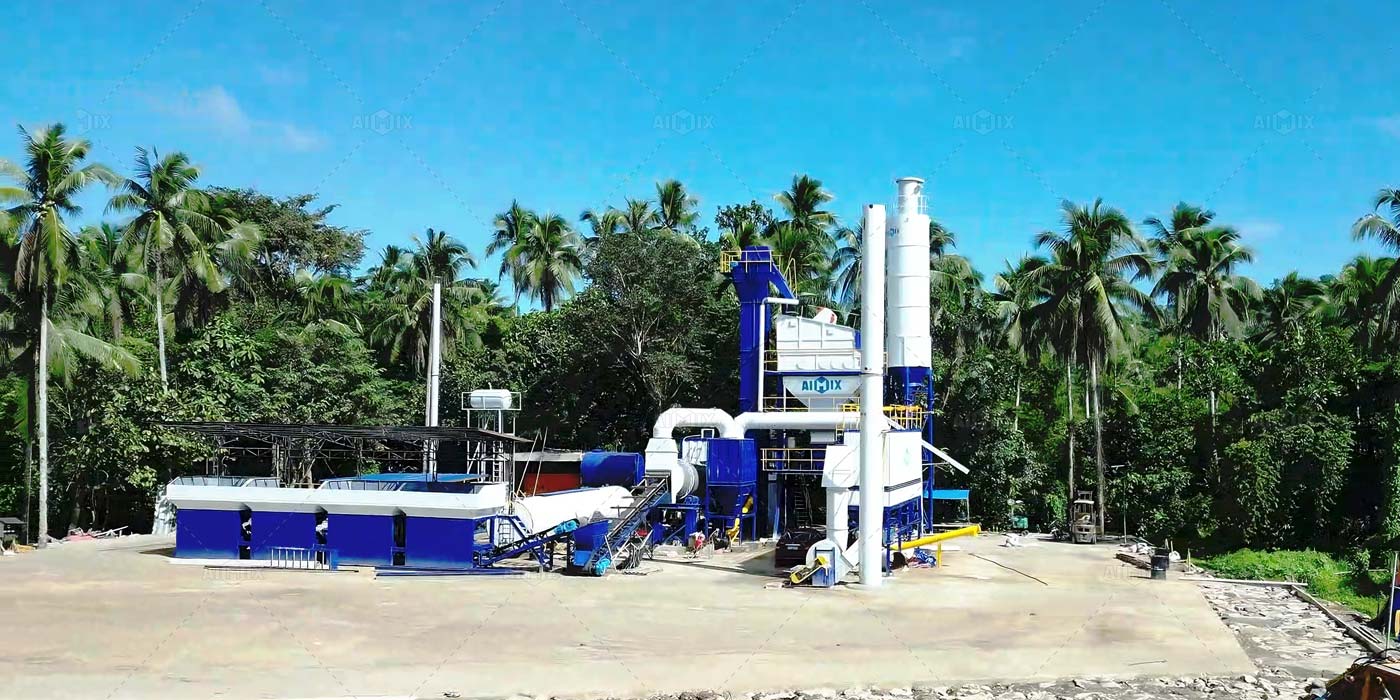
What Are Mobile Asphalt Plants?
A mobile asphalt plant is a portable unit designed to be moved between different job sites. They are ideal for projects that require flexibility and mobility, such as highway repairs or smaller, geographically spread-out projects. These plants offer the convenience of being able to produce asphalt wherever it’s needed, without the need for complex setup procedures at each site. For more information, you can check out our mobile asphalt plant solutions.
Advantages of Mobile Asphalt Plants
Mobile asphalt plants are known for their portability and ease of setup. They are often used for smaller projects or those that require asphalt production at multiple locations. Some advantages of mobile asphalt plants include:
- Portability: Mobile plants are designed to be moved from one job site to another with minimal effort.
- Reduced Setup Time: These plants can be quickly assembled and disassembled, reducing downtime on projects.
- Flexibility: Ideal for short-term projects or those located in remote areas where a stationary plant is impractical.
- Lower Initial Investment: Typically, mobile plants have a lower upfront cost compared to stationary plants.
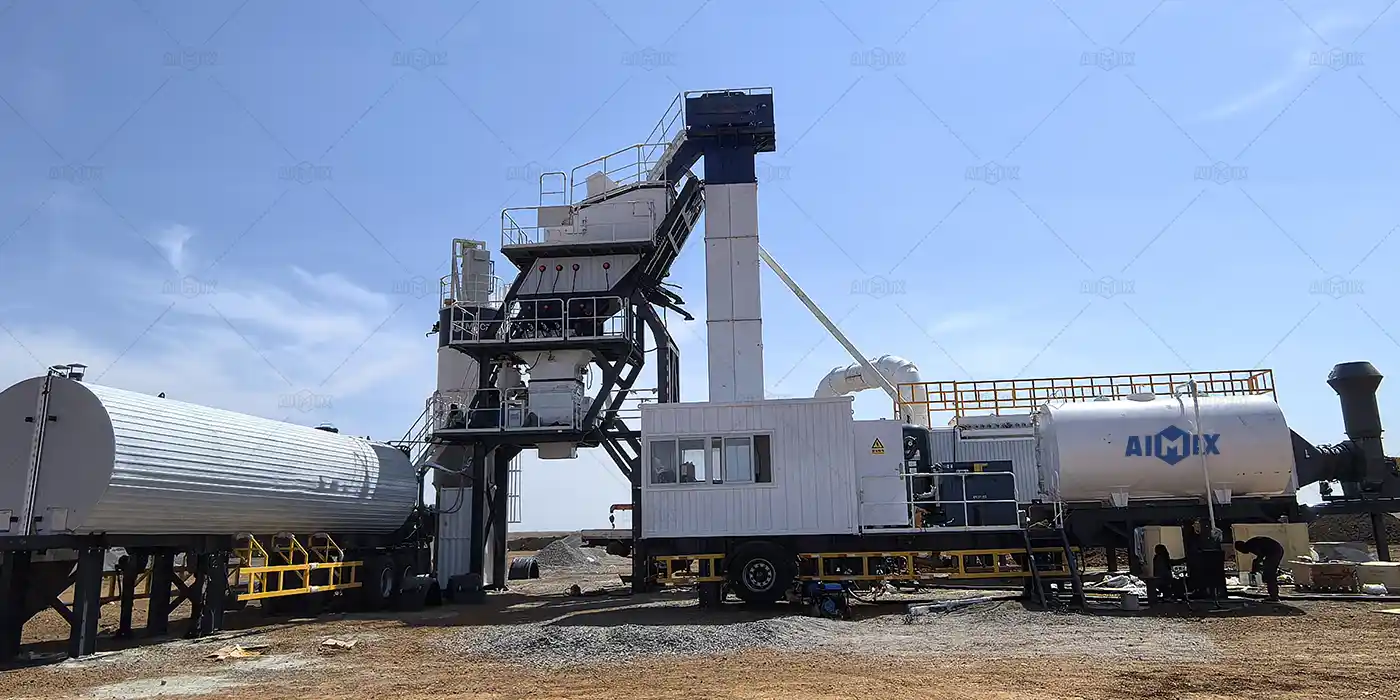
What Are Stationary Asphalt Plants?
On the other hand, stationary asphalt plants are designed for long-term, high-volume production. These plants are fixed in one location and are ideal for large, ongoing projects that require consistent asphalt production over a longer period. Stationary asphalt plants are best suited for major infrastructure projects like highways, bridges, and large urban developments. Learn more about the technology behind our asphalt mixing equipment.
Advantages of Stationary Asphalt Plants
While stationary asphalt plants lack the mobility of their mobile counterparts, they offer many benefits when it comes to large-scale, high-demand projects. Some of the key advantages include:
- High Production Capacity: Stationary plants are built for high-volume, continuous production.
- Durability: With a fixed location, these plants are designed to withstand the demands of large, long-term projects.
- Consistency: Stationary plants offer more consistent asphalt production due to their larger scale and more sophisticated technology.
- Long-Term Investment: While they require a higher initial investment, stationary plants can be more cost-effective over the long run due to their ability to handle large volumes of production.
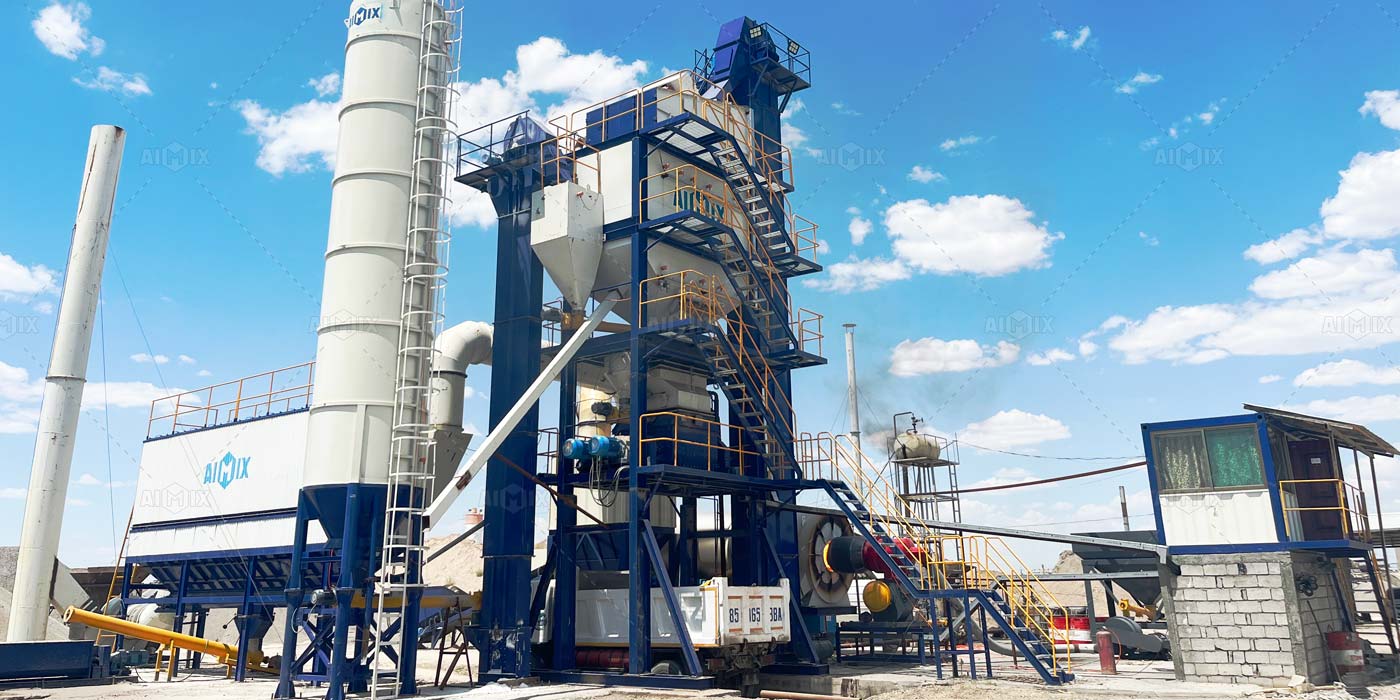
How Do I Choose Between a Mobile and Stationary Asphalt Plant?
The decision between a mobile and stationary asphalt plant depends on several factors. Understanding your project’s specific needs is essential in making an informed choice. Below are some key considerations:
1. Project Size and Scope
If you’re working on a large, long-term infrastructure project such as a highway or a citywide development, a stationary asphalt plant might be the right choice due to its higher capacity and consistent output. However, if you are dealing with smaller or multiple projects scattered across a region, a mobile plant could be a more efficient and cost-effective solution. For smaller projects, mobility and reduced setup time are key advantages that can save time and money.
2. Location and Accessibility
Consider the location of your project. If the worksite is in a remote or hard-to-reach area, a mobile asphalt plant offers flexibility and portability, allowing you to bring production to the project rather than the other way around. For urban construction projects, where space might be limited, a stationary asphalt plant for sale provides the necessary production capacity, without the need for constant transport.
3. Budget and Investment
Your budget will also influence your choice. While a mobile asphalt plant usually requires a lower initial investment, a stationary plant may offer better long-term value if you expect to run large-scale projects for many years. Mobile plants often come with lower operating costs in the short term, but stationary plants can provide greater output efficiency over time.
4. Project Duration
The duration of your project is another important factor. If you’re working on a short-term project, a mobile asphalt plant might be the best option since it can be easily moved to the next site once the project is completed. For long-term projects that require continuous asphalt production, a stationary plant’s durability and capacity will provide more value over time.
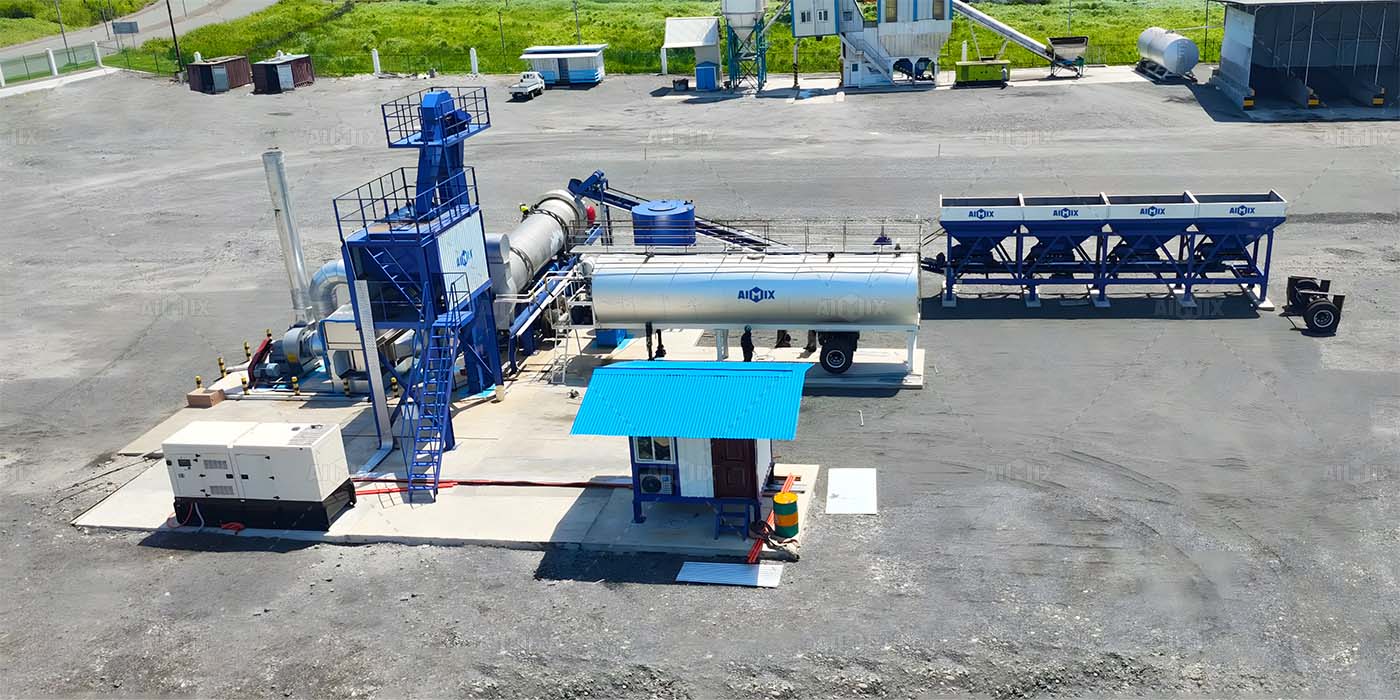
Key Differences Between Mobile and Stationary Asphalt Plants
To further help you understand which asphalt plant type suits your needs, let’s quickly summarize the key differences between mobile and stationary asphalt plants:
| Factor | Mobile Asphalt Plant | Stationary Asphalt Plant |
|---|---|---|
| Portability | High – can be moved between job sites | Low – fixed at one location |
| Production Capacity | Lower – suitable for small to medium projects | Higher – designed for high-demand projects |
| Initial Investment | Lower – more affordable upfront | Higher – requires a larger capital investment |
| Flexibility | Highly flexible – can be relocated easily | Less flexible – designed for specific locations |
| Long-Term Viability | Not ideal for continuous high-volume production | Excellent for large-scale, ongoing production |
Conclusion: Which Asphalt Plant Should You Choose?
The choice between a mobile or stationary asphalt plant ultimately comes down to the specific requirements of your project. If you are working on a large-scale, long-term construction project, a stationary plant will likely provide you with the best value and capacity. However, if your project requires flexibility, mobility, or is located in a remote area, a mobile asphalt plant could be a better choice. Understanding your project’s size, location, and duration will help guide your decision, ensuring that you choose the right plant for your construction needs.
At AIMIX, we offer both hot mix plants for sale and mobile asphalt plant solutions designed to meet the demands of various construction projects. Contact us today to find out which asphalt plant is right for your needs!