Analyzing the difference between batch mix plant and drum mix plant configurations reveals that tower design provides essential insurance against thermal segregation in landlocked high-altitude sites. While drum mix plant compactness reduces initial asphalt plant cost and logistical complexity, manual bitumen synchronization generates operational risks that batch precision eliminates. Specifically, for 24-month rural deployments, batch plant secondary screening and automated weighing justify capital premiums through specification compliance and quality certainty that compact alternatives cannot guarantee.
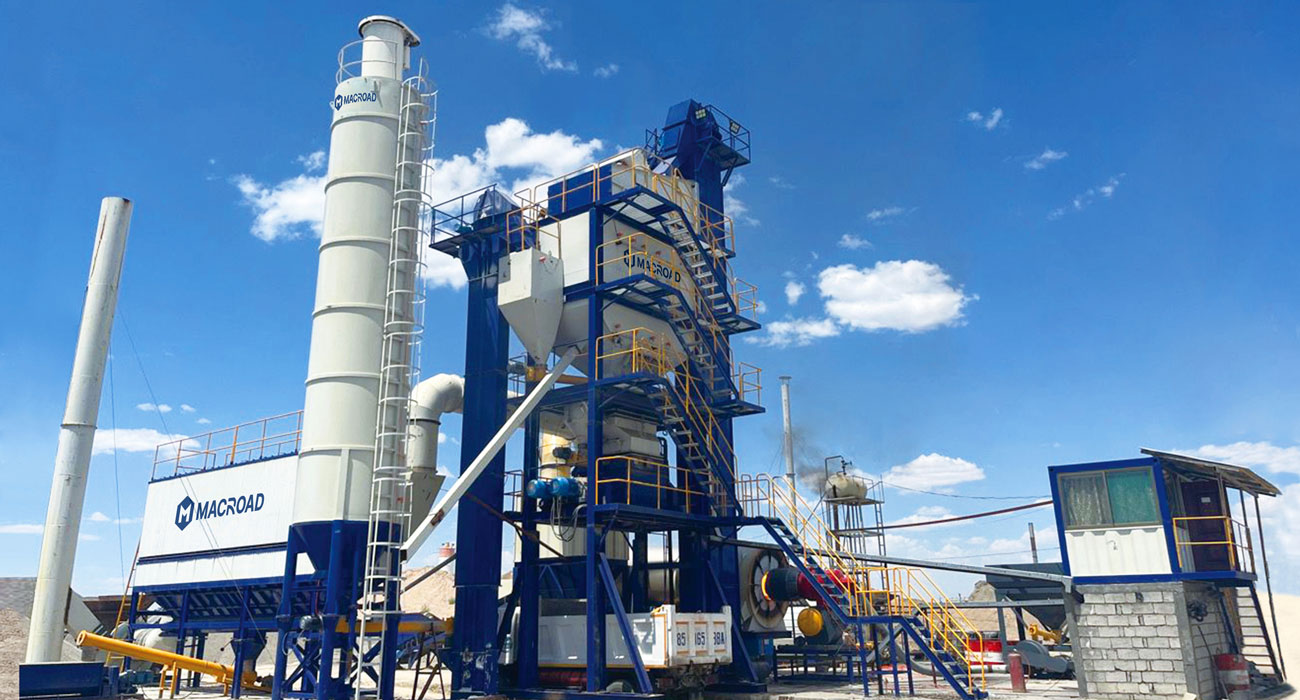
Operational Strategy Divergence Across 24-Month Cycles
Remote rural road networks demand equipment reliability that manual synchronization compromises. Drum mix plant continuous operation blends aggregate and binder during drying, requiring operator judgment to maintain proportioning consistency across varying moisture and size distributions. This dependency generates 3-5% batching error that accumulates to 4,500-7,500 tons of off-specification material annually for 150,000-ton projects, triggering rejection costs and remedial obligations.
Conversely, batch plant tower design with four-deck vibrating screens and 0.1% resolution load cells achieves ±0.2% proportioning accuracy regardless of feedstock variability. This precision eliminates gradation drift that causes thermal segregation—temperature differentials exceeding 15°C within the mix that produce density deficiencies under compaction. In high-altitude environments where haul times extend 60-90 minutes, such segregation risks core sampling failures and pavement removal.
From a logistics perspective, mobilization complexity differs substantially. Drum mix plant compactness enables rapid deployment with minimal site preparation, while batch plant tower design demands more extensive foundation and assembly. However, this 2-3 week mobilization differential becomes irrelevant when 24-month operational quality determines project success versus failure.
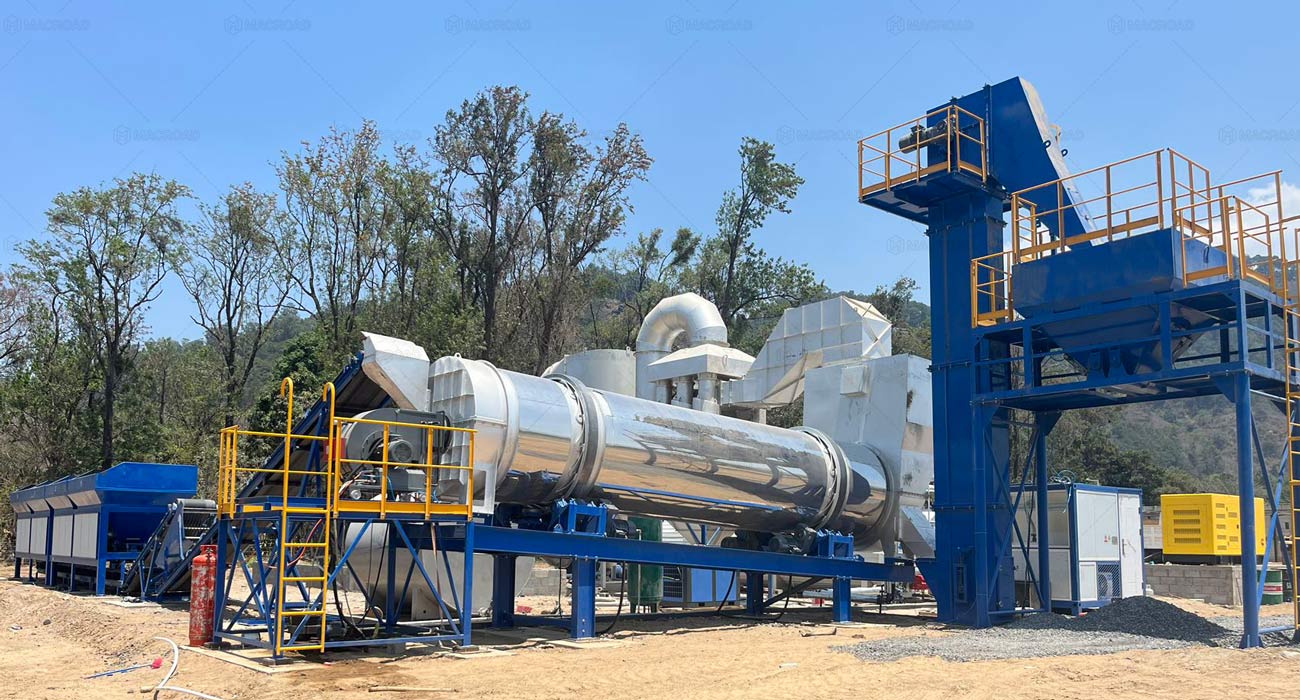
Thermal Segregation Risks in Challenging Terrain
Landlocked high-altitude sites amplify thermal management challenges. Extended haul distances over unimproved roads accelerate mix cooling, while ambient temperature fluctuations of 25-30°C diurnally stress thermal stability. Drum mix plant configurations lacking precise temperature control generate discharge variance of 10-15°C, compounding during transport to produce surface crusts and internal gradients that roller compaction cannot homogenize.
Batch plant pugmill mixing with infrared temperature monitoring maintains discharge uniformity within 3°C variance. This precision extends workable haul distances by 40-50%, ensuring that material reaching remote paving sites retains viscosity suitable for placement. Specifically, this capability prevents the cold lump formation that requires manual removal or generates void content deficiencies triggering agency rejection.
Altitude-induced combustion inefficiency further complicates drum operation. Reduced oxygen availability at 2,500+ meters degrades burner performance, forcing over-firing that oxidizes binder and reduces pavement elasticity. Batch plant automated combustion control with altitude compensation maintains thermal precision that manual drum adjustment cannot achieve, preserving mix quality in asphalt plant for sale across environmental stressors.
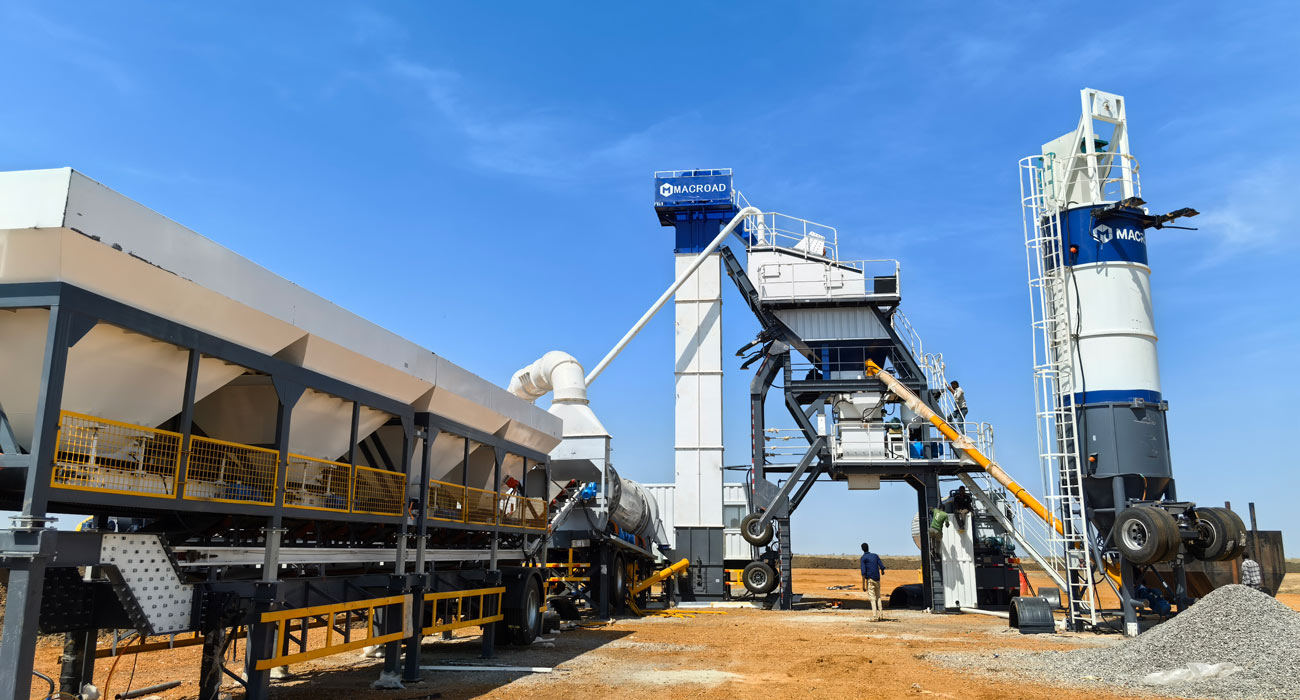
Cost Justification Beyond Initial Capital
Asphalt plant cost evaluation must capture total 24-month economics rather than procurement comparison alone. Drum mix plant apparent savings of $80,000-120,000 frequently transform into operational liabilities through material waste, rejection events, and premature maintenance. Batch plant tower design premiums recover.
Material conservation eliminating 3-5% waste streams represents $135,000-225,000 savings annually at volatile binder prices common in remote regions. Rejection event avoidance preserves $50,000-100,000 in liquidated damages and remedial costs per incident. Maintenance predictability with hardened components reduces downtime from 12-15% to 5-8% of annual capacity, preserving revenue realization in weather-limited seasons.
Residual value differentials favor precision engineering. Batch plant configurations with documented quality compliance command 60-70% secondary market recovery versus 40-50% for drum alternatives with wear-accelerated degradation histories. This liquidity provides exit optionality that improves lifecycle capital efficiency.
Conclusion
The difference between batch mix plant and drum mix plant configurations determines project viability in remote high-altitude deployments. While drum compactness reduces initial asphalt plant cost and logistical complexity, manual synchronization risks and thermal segregation exposure generate operational costs that tower design eliminates. Consequently, batch plant precision in proportioning and temperature control provides essential insurance against quality failures that would destroy 24-month project economics. Contractors evaluating asphalt plant for sale options for challenging terrain must recognize that apparent capital savings transform into catastrophic liabilities when specification compliance determines retention money security and commercial reputation.