Across Latin America, infrastructure development is accelerating, driven by urbanization, economic growth, and government investment in transportation networks. In this context, the mobile asphalt plant has become a critical solution for contractors seeking flexibility, efficiency, and rapid deployment. However, operating in diverse and often challenging environments introduces a range of stability-related issues that can directly affect productivity and project outcomes.
Understanding these challenges—and more importantly, how to address them—is essential for contractors aiming to maximize operational performance while maintaining cost control, including optimizing the price of asphalt plant investments over time.
Understanding Stability in Mobile Asphalt Plant Operations
What Does Stability Mean in Practical Terms?
Stability in the context of a mobile asphalt plant(planta de asfalto móvil) refers to the plant’s ability to maintain consistent performance under varying environmental and operational conditions. This includes structural stability, production consistency, and reliable control system functionality.
In Latin America, where job sites can range from high-altitude Andean regions to humid tropical zones, maintaining stability is not merely a design consideration—it is an operational necessity.
Why Stability Matters for Project Efficiency
Instability can lead to production interruptions, inconsistent asphalt quality, and increased maintenance requirements. These issues not only affect project timelines but also increase the total cost of ownership, making the initial price of asphalt plant less relevant compared to long-term operational expenses.
Key Stability Challenges in Latin American Environments
Uneven Terrain and Site Conditions
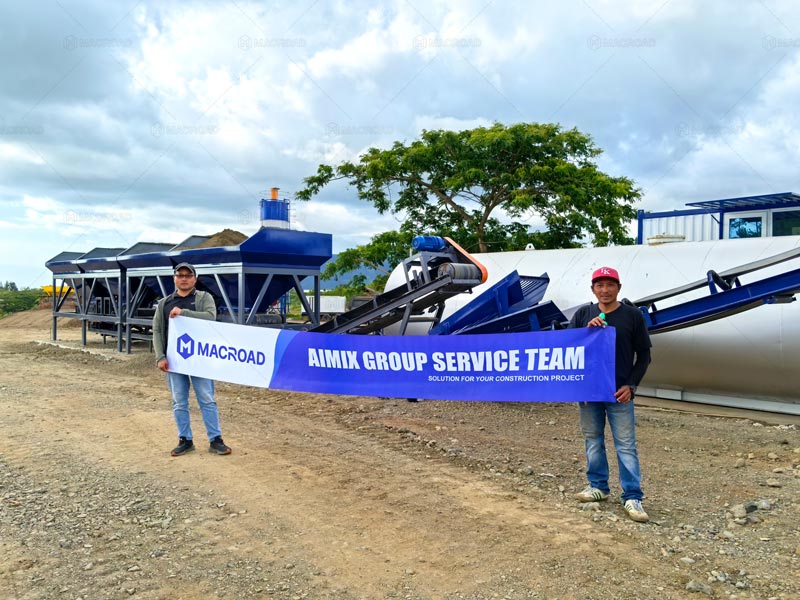
Many construction sites in Latin America are located in remote or undeveloped areas where ground conditions are far from ideal. Uneven or soft terrain can compromise the structural integrity of a mobile asphalt plant, leading to vibration issues and misalignment of key components.
For example, projects in regions like rural asphalt plant Colombia deployments often face mountainous landscapes that require additional site preparation to ensure equipment stability.
Climate Variability and Weather Extremes
Latin America’s climate diversity presents another major challenge. High humidity, heavy rainfall, and extreme temperature fluctuations can impact both mechanical components and electronic systems. Moisture can affect aggregate quality, while temperature variations can disrupt asphalt mixing precision.
Logistical Constraints and Frequent Relocation
The primary advantage of a mobile asphalt plant is its portability. However, frequent relocation increases the risk of improper installation, which can lead to instability. Each new site requires careful leveling, calibration, and system checks to ensure consistent performance.
Limited Technical Support in Remote Areas
In many Latin American regions, access to skilled technicians and spare parts can be limited. This lack of support can exacerbate stability issues, as minor problems may escalate due to delayed maintenance or improper handling.
Impact of Stability Issues on Cost and Performance
Increased Operational Costs
Instability often leads to higher fuel consumption, increased wear and tear, and more frequent maintenance. These factors significantly raise operational costs, overshadowing the initial price of asphalt plant(precio de planta de asfalto).
Reduced Asphalt Quality
Consistent asphalt quality is critical for road durability. Instability in mixing processes can result in uneven material composition, leading to premature road failures and increased repair costs.
Project Delays and Financial Risks
Unexpected downtime caused by stability issues can delay project timelines, resulting in penalties and reputational damage. For contractors working on tight schedules, these risks can be substantial.
Effective Solutions to Enhance Stability
Proper Site Preparation and Foundation Design
Before installing a mobile asphalt plant, it is essential to conduct a thorough site assessment. Leveling the ground and using reinforced foundations can significantly improve structural stability, especially in challenging terrains.
Advanced Design Features
Modern mobile plants are equipped with features such as hydraulic leveling systems, reinforced chassis structures, and vibration damping mechanisms. Investing in these technologies may increase the initial price of asphalt plant, but they provide long-term benefits in terms of reliability and efficiency.
Regular Maintenance and Calibration
Routine inspections and timely maintenance are critical for preventing instability. Calibration of weighing systems, burners, and mixing units ensures consistent performance, particularly in variable environmental conditions.
Operator Training and Technical Support
Well-trained operators can identify early signs of instability and take corrective actions before issues escalate. Partnering with suppliers that offer comprehensive training and support services is crucial, especially for projects in regions like asphalt plant Colombia.
Choosing the Right Equipment for Stability
When to Consider a Mini Asphalt Plant
For smaller projects or urban environments, a mini asphalt plant(la mini planta de asfalto) can offer enhanced stability due to its compact design and lower operational complexity. These plants are easier to install and maintain, making them suitable for contractors with limited technical resources.
Balancing Mobility and Stability
While mobility is a key advantage, it should not come at the expense of stability. Contractors must evaluate their project requirements carefully and select equipment that offers the right balance between portability and structural integrity.
Evaluating Total Cost of Ownership
Instead of focusing solely on the price of asphalt plant, decision-makers should consider the total cost of ownership. This includes operational efficiency, maintenance costs, and potential downtime, all of which are influenced by the plant’s stability.
Best Practices for Long-Term Stability
Standardized Installation Procedures
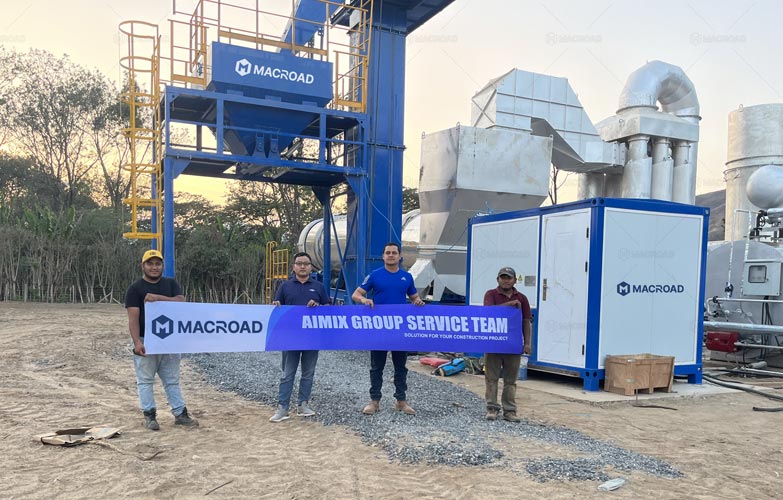
Developing standardized procedures for plant setup can minimize installation errors during relocation. This ensures consistent performance across different job sites.
Environmental Adaptation Strategies
Using protective covers, moisture control systems, and temperature regulation technologies can help mitigate the impact of harsh environmental conditions.
Continuous Monitoring and Data Analysis
Implementing monitoring systems that track performance metrics allows operators to detect anomalies early. Data-driven insights can guide maintenance decisions and improve overall stability.
Conclusion
Stability is a critical factor in the successful operation of a mobile asphalt plant in Latin America’s diverse construction environments. While challenges such as uneven terrain, climate variability, and logistical constraints are significant, they can be effectively managed through proper planning, advanced technology, and skilled operation.
Ultimately, focusing solely on the price of asphalt plant is a short-sighted approach. Contractors must adopt a holistic perspective that prioritizes stability, efficiency, and long-term value. Whether deploying a large-scale system or a mini asphalt plant, the right strategies can ensure reliable performance and successful project outcomes across the region, including demanding markets like asphalt plant Colombia(como planta de asfalto Colombia).
Final Insights
As Latin America continues to expand its infrastructure network, the demand for efficient and reliable asphalt production solutions will only grow. By addressing stability challenges proactively, contractors can enhance productivity, reduce costs, and achieve sustainable success in this competitive market.