When contractors decide to build an asphalt factory and invest in supporting asphalt paver machine fleets, they often use specific cost-benefit analysis frameworks. These frameworks not only help in determining the feasibility of the project but also ensure that investments align with long-term goals. By understanding the nuances of these frameworks, contractors can make informed decisions that optimize resources and maximize profitability in regional road construction hubs.
Key Components of Cost-Benefit Analysis
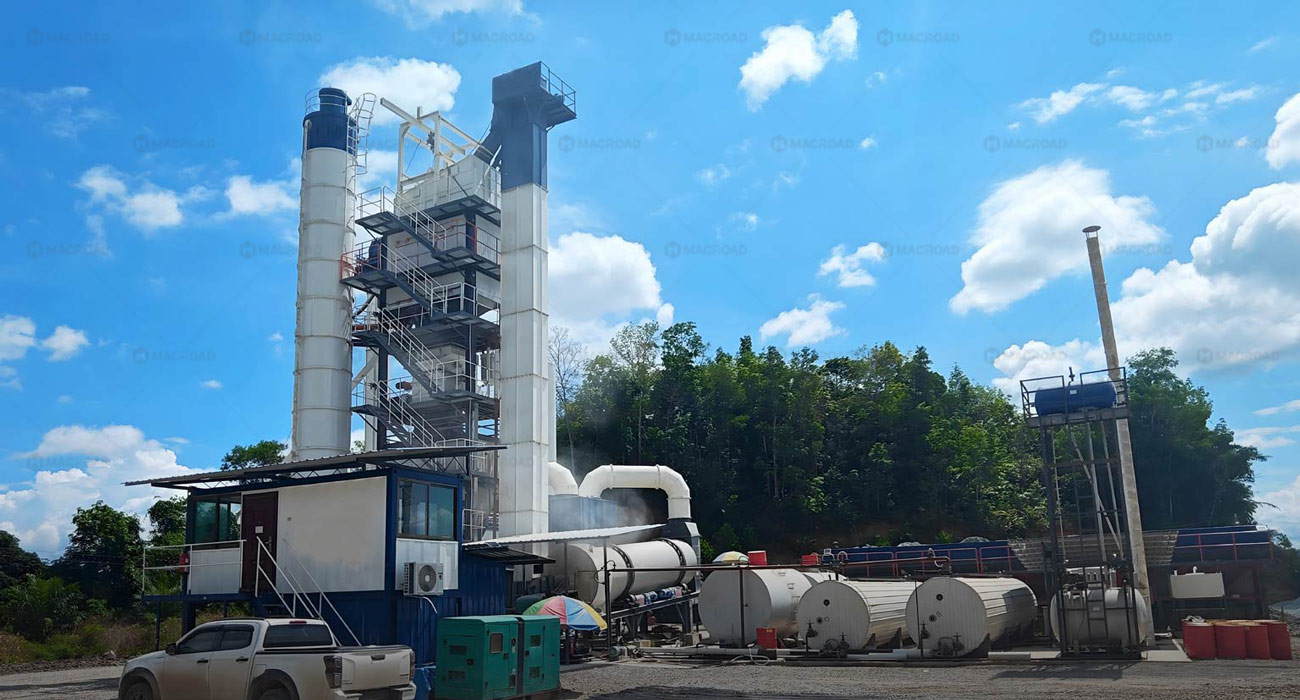
The first step in any cost-benefit analysis framework is identifying the key components and variables involved in the investment. When contractors consider building an asphalt factory, they need to evaluate not only the initial costs of purchasing the equipment but also ongoing operational expenses. This includes the costs associated with running an asphalt paver machine fleet and maintaining the asphalt factory.
Another critical component is potential revenue generation from the project. Contractors must estimate the volume of asphalt that the factory will produce and the associated sales revenue. By comparing these estimated revenues against the total costs, contractors can ascertain the return on investment and payback period, which are essential for making informed financial decisions.
Evaluating Operational Efficiency
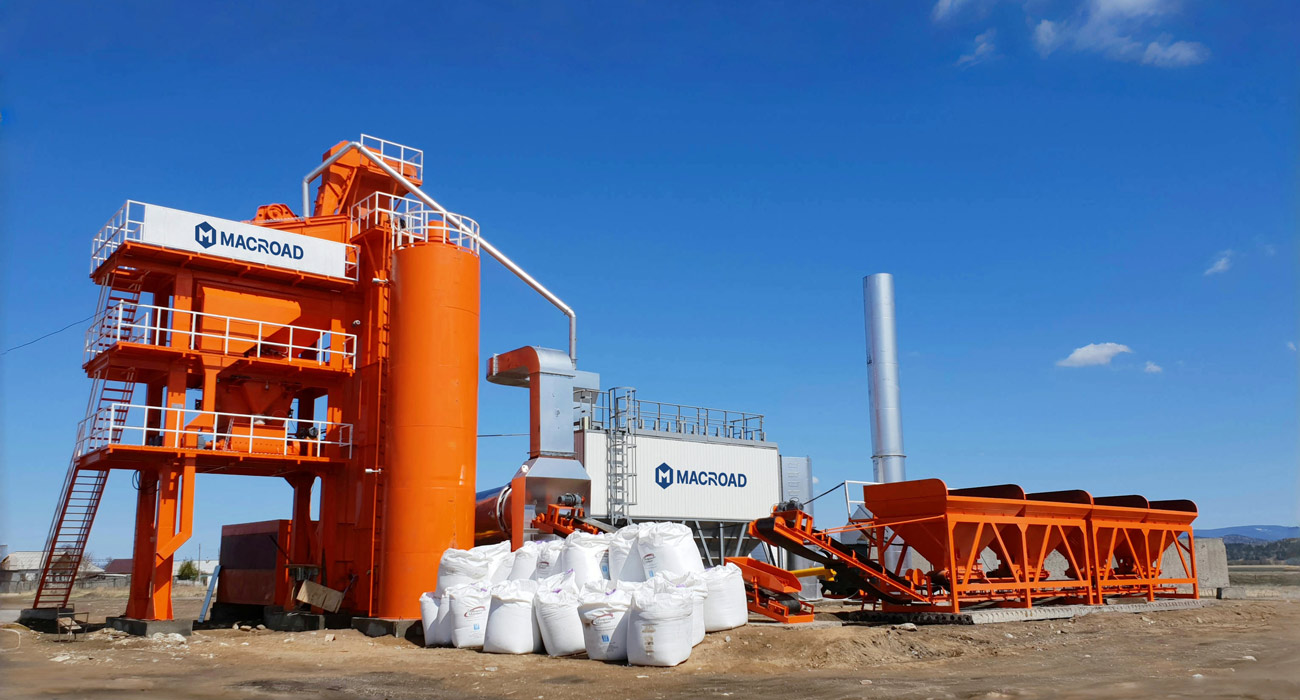
Operational efficiency plays a significant role in the cost-benefit analysis when selecting asphalt plant suppliers and deciding on the type of asphalt factory to build. Contractors should assess how different factory configurations and equipment can affect production rates and quality. For instance, a more efficient asphalt paver machine can lead to faster project completion and reduced labor costs.
Additionally, contractors can simulate various operational scenarios to identify the most efficient production processes. By analyzing different setups, they can determine the optimal layout of the asphalt factory, ensuring that material flow is smooth and minimizing downtime. This focus on operational efficiency not only enhances productivity but also contributes to long-term cost savings.
Long-Term Financial Implications
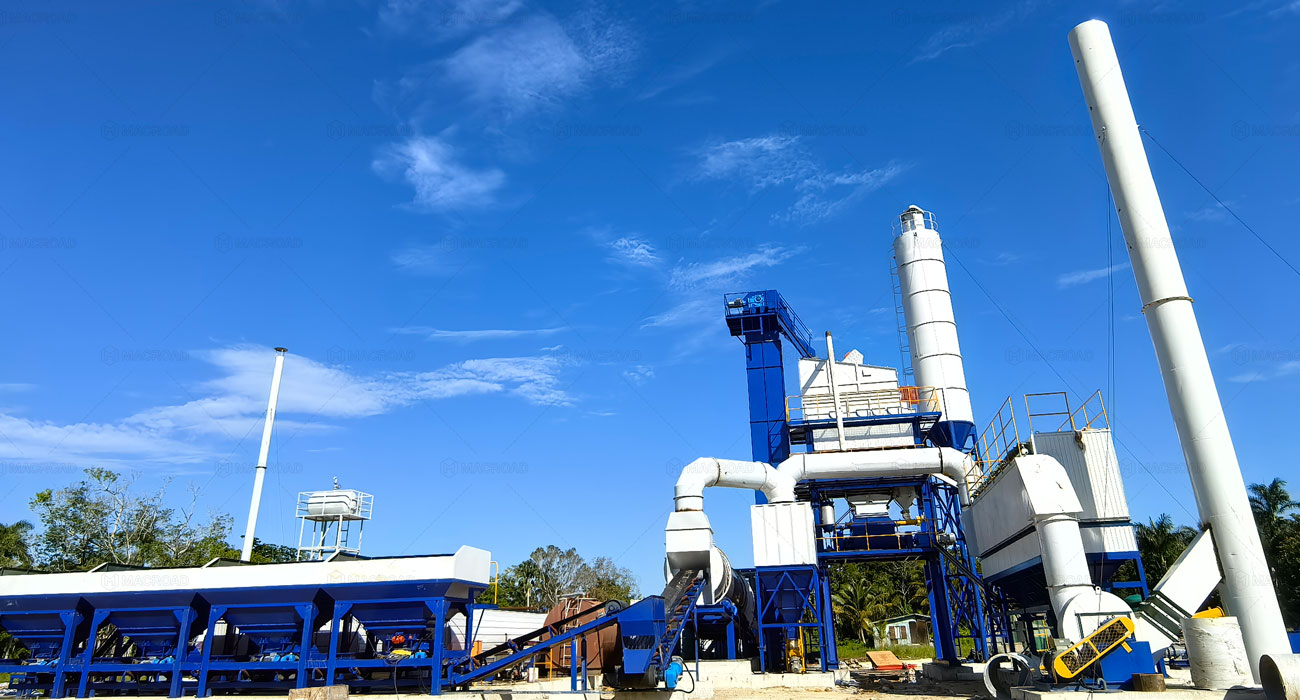
In addition to immediate costs and operational efficiency, contractors must consider long-term financial implications when they buy an asphalt plant. These include maintenance, labor, and potential upgrades needed to keep the factory compliant with evolving regulations. A comprehensive cost-benefit analysis should account for these factors to provide a complete financial picture.
Moreover, contractors should also evaluate market trends and the demand for asphalt in their region. By understanding future growth potentials, they can make better strategic decisions regarding the scale of their asphalt factory and the necessary investment in an asphalt paver machine fleet. This foresight helps ensure that their operations remain competitive and capable of meeting market demands.
Conclusion
Cost-benefit analysis frameworks play a vital role in guiding contractors through the complexities of buy asphalt plant and constructing a full-scale asphalt factory. By focusing on key components such as initial costs, operational efficiency, and long-term financial implications, contractors can make informed decisions that optimize their resources and enhance profitability. The integration of asphalt paver machines into this analysis further emphasizes the importance of cohesive planning for successful regional road construction hubs. Ultimately, a thorough and strategic cost-benefit analysis enhances the potential for success in the competitive asphalt industry.